Get Full Government Meeting Transcripts, Videos, & Alerts Forever!
Get email alerts on the Developmental Center Master Plan topic
No spam. Unsubscribe anytime.
Senate hears sponsor’s case for Utah State Developmental Center master plan; members press on oversight and funding
Summary
Senator Dayton presented a 60‑page master plan for the Utah State Developmental Center, outlining a multi‑step approval process and potential funding options from land leasing or sales; senators questioned readiness, building upgrades, and how proceeds would be governed.
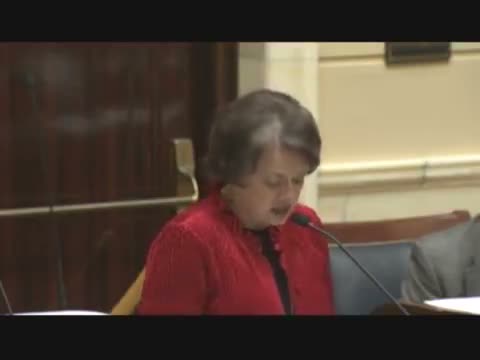
Senator Dayton used sponsor time to deliver a detailed history and explanation of the Utah State Developmental Center Properties Master Plan and asked the Senate to give it a legislative stamp of support. The plan, she said, was developed over two years with many stakeholders and roughly 20 focus‑group reviews; she described it as 'about 60 pages long' and emphasized the multi‑step approval pathway it envisions: the USDC board, division director, departmental leadership, the governor, and then the legislature.
Dayton framed the master plan as a tool to manage the last remaining undeveloped acreage (approximately 150 acres, per her floor remarks) and to create a sustainable funding source for facility upgrades and services for people with disabilities. She said the plan provides options — including leasing land near the high school or courses of development — that could generate revenue for the developmental center and related services.
Senators asked detailed questions. Senator Van Tassel asked whether the master plan is complete; Dayton replied it is completed and that it has been reviewed by many stakeholders and does not require Senate approval to exist, but that the resolution would formally support the plan’s process and findings. Another senator asked whether infrastructure projects for buildings should be held until the plan is completed; Dayton acknowledged building upgrades are needed (some structures date from the 1930s) and said the plan provides an option for generating revenue to address those needs. Senator DeBackus and others praised Dayton’s work and urged protections and process rigor.
Dayton emphasized the legislature is not deciding to sell land with the resolution; rather the resolution recognizes the planning process and provides a stamp of support for the multi‑step framework described on the floor. She moved the item for third reading and the resolution passed on recorded roll call (26 yea, 0 nay, 3 absent). The master plan will continue through the administrative review steps Dayton described if and when concrete proposals for land disposition or leasing are presented to the appointed bodies and ultimately to the legislature.
This floor exchange matters because it clarifies the institutional review path and signals legislative interest in maintaining stricter controls over property that historically funded services for residents of the developmental center. The transcript records sponsor emphasis on stewardship of residents and the importance of stakeholder input in how any future land use or revenue would be structured.