Get Full Government Meeting Transcripts, Videos, & Alerts Forever!
Get email alerts on the Animal Welfare topic
No spam. Unsubscribe anytime.
Senate approves felony penalty for cockfighting after divided debate
Summary
The Utah Senate approved First Substitute SB112 to elevate cockfighting from a misdemeanor to a felony, with supporters citing associated gambling, drug activity and animal cruelty and opponents warning of prison overcrowding and overcriminalization.
The Utah State Senate voted to make cockfighting a felony under First Substitute Senate Bill 112 after a heated floor debate that split members along both policy and enforcement lines.
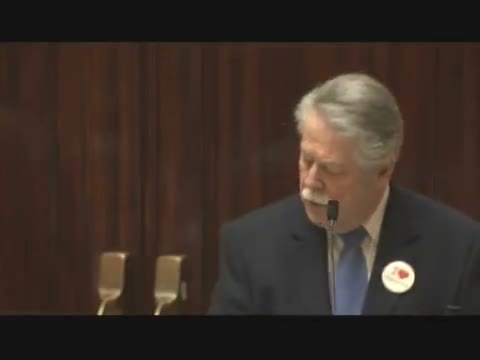
Senator Mark Davis, the bill sponsor, said aggressive penalties are needed to stop organized events that draw out‑of‑state participants and are accompanied by gambling and illicit activity. “To see the carnage… it is just unbelievable,” Davis said in summation, and urged colleagues that if the state would not act, it would be condoning the activity.
Opponents, including Senator Christiansen, warned the penalty is disproportionately severe. “The penalty is way too strong,” Christiansen said, arguing that elevating the offense to a felony risks adding to prison populations for conduct that can be hard to detect and prove. Several senators, including Senator Madsen and Senator Hankins, questioned the fiscal note and asked how many cases would be prosecuted and whether enforcement resources exist.
Supporters said the change responds to testimony that Utah had become a destination for promoters because the activity remained a misdemeanor. Senator Wyler said surrounding states treat cockfighting as a felony and Utah’s misdemeanor status had made the state a magnet for the illegal enterprise. Senator Robles tied animal cruelty to other forms of violence and urged stronger penalties.
Sponsors and backers emphasized intent language in the substitute, stressing that a conviction would require proof the defendant intended to organize or facilitate fighting rather than mere possession of birds. Senator Thatcher said the bill requires proof of intent and “you could not be charged simply for breeding” a fighting breed absent intent to use the animals for fights.
The roll call recorded 16 ayes, 10 nays and 3 absences; the bill was read for a third time and shall proceed according to Senate rules.
The Senate also recorded a wider floor discussion about the balance between criminal penalties and law enforcement capacity; several members said they wanted to monitor fiscal impacts and enforcement outcomes after passage.