Get Full Government Meeting Transcripts, Videos, & Alerts Forever!
Get email alerts on the Senator Hatch Visit topic
No spam. Unsubscribe anytime.
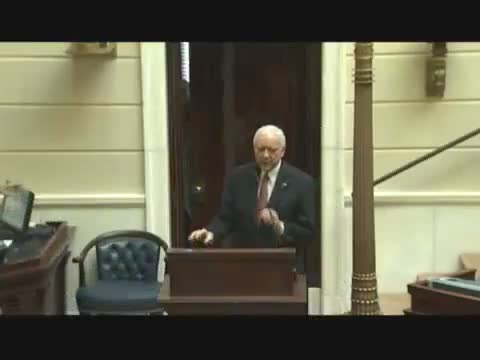
U.S. Sen. Orrin Hatch visits Utah Senate, outlines state-focused health plan and pushes trade, immigration fixes
Summary
U.S. Sen. Orrin Hatch visited the Utah Senate, describing a state-centered 'blueprint' to reform health care and answering questions on PILT funding, public lands, trade promotion authority and immigration. He urged Congress to act on medical device taxes and immigration reform.
U.S. Sen. Orrin Hatch addressed the Utah State Senate and used his remarks and a question-and-answer session to outline a state-centered approach to health-care reform and to press for action on trade, immigration and tax provisions affecting medical-device companies.
Hatch told senators the paper he circulated is a "blueprint, not an actual bill," intended to give states greater authority over Medicaid and to reduce federal bureaucracy. "We thought we had two years and we did it just at the last minute," Hatch said, adding the plan is far enough along to attract criticism and comment.
Why it matters: Hatch framed the proposal as a way to devolve some federal responsibilities to states, which he said could reduce red tape and make programs work better for local jurisdictions.
During a short question period, senators raised specific local concerns. Senator Vickers asked about Payment In Lieu of Taxes (PILT) funding for counties; Hatch said the delegation secured one year of PILT payments in the Farm Bill and that the one-year allocation gives time to make the funding permanent. "We have one year," Hatch said, adding the delegation "worked hard on it." (PILT details: Hatch described a one-year placement in the Farm Bill.)
Senator Dabakis asked whether the current period offers an opportunity for a generational change in federal land management. Hatch said states have legitimate interest in local control of some public lands but that presidential leadership would be required for large-scale transfers or changes. "It would make Utah one of the richest states in the union," he said of broader resource development, while noting such moves need national leadership.
On trade, Hatch urged passage of Trade Promotion Authority (TPA) as necessary to complete agreements such as the Trans-Pacific Partnership, arguing TPA allows trade pacts to come to the floor without amendments and increases the likelihood of favorable deals. "No nation's gonna work with us on free trade unless we have TPA," he said.
Senator Jones raised patent reform and the 2.3% medical-device tax included under the Affordable Care Act. Hatch called the gross-sales tax "really killing a lot of the marginal companies" and said he was working to repeal it, noting a prior vote in which he said repeal passed "79 to 19." "I'm dedicated to getting rid of that," Hatch said.
On immigration, Hatch said comprehensive reform is necessary to avoid what he called "de facto amnesty" while preserving the ability to retain graduates and skilled workers educated in the U.S. He described the Senate bill as improved by amendments and said the House is likely to address the issue in pieces.
The Senate resolved into a Committee of the Whole so members could hear Hatch, and after the visit the body dissolved the committee and returned to regular business.
What happens next: Hatch encouraged continued feedback on the outline; no formal legislation was introduced on the floor during the visit. The Senate returned to its calendar and took up procedural business.