Get Full Government Meeting Transcripts, Videos, & Alerts Forever!
Get email alerts on the Consumer Protection Telecom topic
No spam. Unsubscribe anytime.
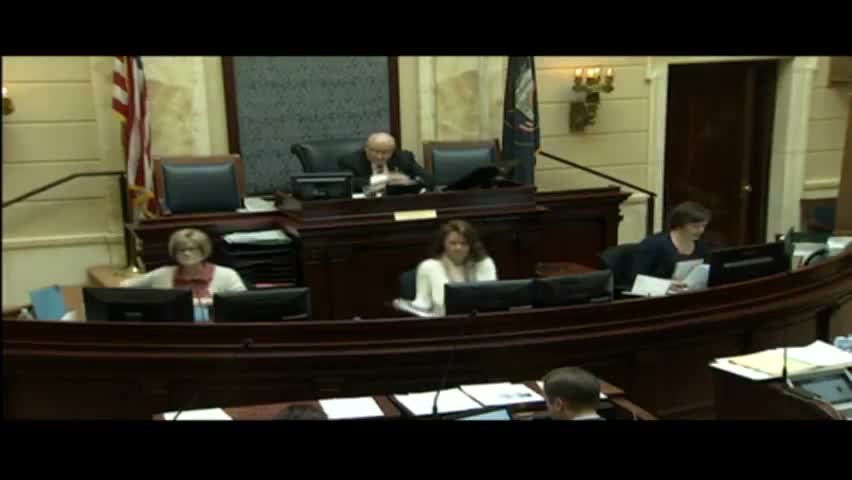
Senate approves spoofing bill criminalizing misrepresentation of caller ID
Summary
House Bill 214, which criminalizes changing caller ID to impersonate others (commonly used in scams), passed the Utah Senate after senators shared personal anecdotes of scam calls targeting families and elderly relatives.
The Utah Senate passed House Bill 214, a measure that makes it a criminal offense to misrepresent telephone or text identification (commonly known as caller‑ID spoofing) when used to defraud or facilitate scams.
Senator Weiler, who presented the bill, described it as aimed at scammers who falsify caller information to impersonate government agencies or other trusted entities: "This basically criminalizes the act of changing your caller ID so when you call someone, you appear to be someone who you are not." He said the bill addresses a tactic frequently used by con artists and that it had passed unanimously through prior stages.
Several senators recounted personal or family experiences with caller‑ID scams; one senator described elderly relatives who receive repeated scam calls. Senators expressed broad support for the measure as a practical step to protect consumers, in particular elderly residents who are frequent targets.
The Senate passed House Bill 214 by roll call; the clerk recorded 23 yea votes, 0 nay votes and 6 absences. The bill will be returned to the House for further consideration as amended in the Senate.
Supporters noted the bill aligns state law with technological realities used by scammers and that it gives law enforcement another tool to pursue fraudsters.