Get Full Government Meeting Transcripts, Videos, & Alerts Forever!
Get email alerts on the Statute Of Limitations topic
No spam. Unsubscribe anytime.
Utah Senate approves bill extending civil window for child sexual‑abuse claims to four years from discovery
Summary
The Utah Senate passed House Bill 277, allowing victims of child sexual abuse to file civil suits within four years of discovery (prospective application). The measure passed after floor debate about recovered memories and a failed amendment to shorten the window to one year.
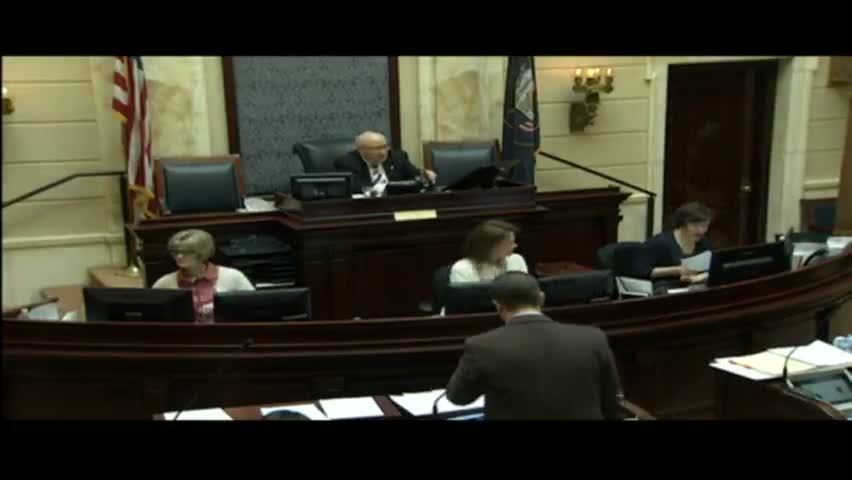
The Utah Senate on the floor passed House Bill 277, changing the civil statute of limitations for child sexual‑abuse claims so victims have four years from the time they discover or recall the abuse to file a civil action. Sponsor Senator Osman said the change applies prospectively and would give survivors time to prepare legal claims and obtain counsel.
The bill’s sponsor, Senator Osman, told colleagues the measure addresses a gap that left many victims without a civil remedy: “This bill would empower individuals with that same situation to take action,” he said, adding that the change is intended for go‑forward cases.
Debate centered on the risk of false claims tied to recovered or implanted memories. Senator Stevenson questioned the proposal by referencing historical cases where later‑recovered memories were contested, saying families had been damaged in some of those earlier matters: “families have been destroyed and, things just are never recoverable.” Senator Dayton proposed amending the bill to shorten the discovery window from four years to one year; the Senate rejected that amendment, with backers of the bill arguing one year would unduly limit victims’ ability to prepare legally and emotionally.
Senator Osman said studies could be provided that show false claims are far less frequent than other civil claims and emphasized the prospective scope of the change. Supporters argued that a four‑year discovery window balances the need to limit stale claims against the practical and psychological barriers many survivors face before bringing civil suit.
On a roll‑call vote under suspension of rules, the Senate approved House Bill 277. The record shows 24 yea votes, 2 nay votes and 3 senators absent. The bill, having passed the Senate, will be returned to the House for its action.
The legislative debate included questions about statutory definitions and the prospective (go‑forward) application of the bill, and senators noted the measure does not revive old claims retroactively. The Senate did not adopt the proposed one‑year amendment and left the four‑year period in the bill as passed.
Next steps: HB 277 will be transmitted back to the House for its concurrence and then, if approved there, to the governor for signature or veto.