Get Full Government Meeting Transcripts, Videos, & Alerts Forever!
Get email alerts on the Medical Cannabis topic
No spam. Unsubscribe anytime.
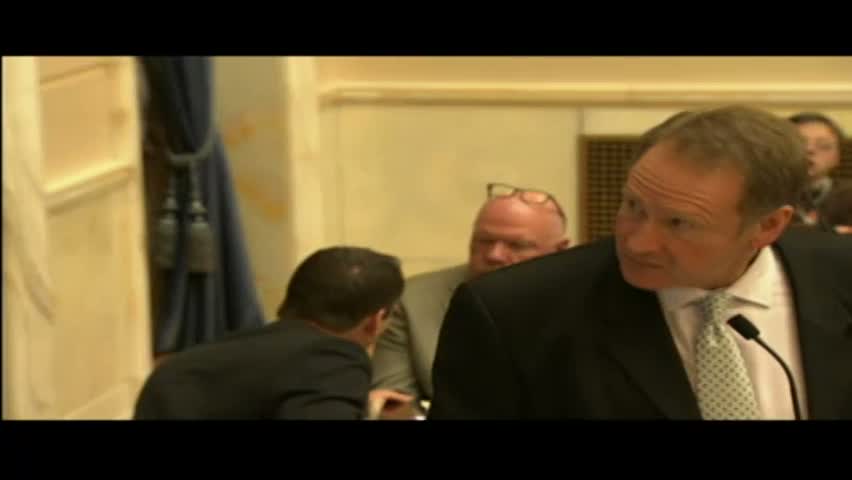
Utah Senate rejects medical cannabis bill after marathon floor debate
Summary
After nearly three hours of floor debate and multiple proposed fixes, the Utah Senate voted down the first substitute to Senate Bill 259, the medical cannabis measure. Supporters stressed patient access and opioid-reduction, while opponents cited regulatory, public-safety and federal-law concerns.
The Utah Senate rejected a sweeping medical cannabis bill late Tuesday after an extended floor debate over implementation, public-safety safeguards and administrative authority. The chamber voted narrowly to defeat the first substitute to Senate Bill 259, with the transcript recording a final tally of 14 in favor and 15 opposed.
Senator Gene Madsen, the bill’s floor sponsor, told colleagues the measure was aimed at providing relief for patients with chronic conditions and was written to give administrative agencies time to craft rules: “The substance of the bill is sound,” Madsen said on the floor, adding that the substitute pushed the implementation date into January to allow time for contracting and database development. He repeatedly framed the issue as one of compassion and an alternative to opioid prescriptions.
Opponents raised a string of technical and policy objections. Senator Vickers flagged gaps in oversight of vendor-held funds and limits on inspection authority, warning that “there’s no mention of alarm systems” or routine facility inspections in the draft. Other senators argued state agencies had not had adequate time to review the heavily revised substitute; several floor speakers said they did not receive the most recent version until the afternoon, constraining agency input.
Concerns extended to criminal-law interactions. Senator Christensen pointed to federal-law conflicts and noted that a federal firearms provision could render a cardholder ineligible to carry a firearm; Senator Weiler warned that broad wording on paraphernalia could unintentionally shield non-cannabis contraband from enforcement if a cardholder were present.
Proponents emphasized patient needs and broader public-health benefits. Senator Madsen and others cited studies from jurisdictions with medical cannabis programs that, they argued, correlated with reduced opioid overdose deaths. Senator Escamilla urged the chamber to prioritize patients’ access: “An opportunity to provide people with the freedom to seek care,” he said, “may be someone’s opportunity for a quality of life.”
The bill’s failure leaves the current statutory framework unchanged. Sponsors signaled they will continue negotiating technical fixes with agencies and stakeholders. Madsen said he would pursue clarifications and rules-level authority before seeking another floor vote.
Next steps: The bill will not move forward from this floor vote; sponsors and stakeholders said they plan interim work with state agencies and may reintroduce a revised measure in future session work.