Get Full Government Meeting Transcripts, Videos, & Alerts Forever!
Get email alerts on the Civil Rights Nondiscrimination topic
No spam. Unsubscribe anytime.
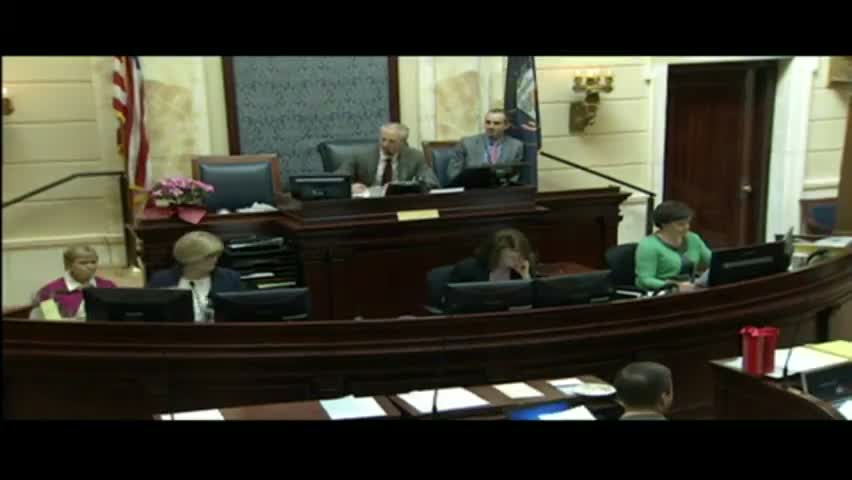
Utah Senate passes compromise SB 296 to add statewide nondiscrimination protections with religious‑liberty carveouts
Summary
After extended floor debate, the Utah Senate passed SB 296, a negotiated package that adds sexual orientation and gender‑identity protections in employment and housing while including a range of religious‑liberty exemptions; the measure passed 23‑5 and will be sent to the House.
SALT LAKE CITY — The Utah Senate on [date not specified] passed SB 296, titled the "Anti‑Discrimination and Religious Freedom Amendments," approving a negotiated compromise that extends statewide nondiscrimination protections to sexual orientation and gender identity while including multiple exemptions for religious institutions and faith‑based organizations.
Sponsor Senator Todd D. Urquhart (Senator Urquhart) told the chamber the bill is intended to "balance LGBT rights in employment and housing with religious liberties," describing it as the product of long negotiation among lawmakers and stakeholders and urging colleagues to support the package. "We are attempting to balance rights," Urquhart said on the floor, adding that the bill applies to employers of 15 or more employees and to housing providers with four or more units because of commerce‑related jurisdictional standards.
The measure sets nondiscrimination protections for sexual orientation and gender identity in state statute while including explicit religious‑liberty provisions, a non‑severability clause binding the package together, and language that preempts local ordinances. Senator Mike Adams (Senator Adams), speaking in support, described the legislation as "true balance" and said it reaffirms constitutional protections for expressive association and the free exercise of religion.
Opponents raised legal and operational concerns. Senator Jackson (Senator Jackson) said he could not equate sexual‑orientation classifications with historical, race‑based civil‑rights protections and stated he would not support the bill. Senator Dayton (Senator Dayton) raised two practical concerns: that reliance on DSM‑5 language for gender‑identity definitions could create ambiguity and that defining protections by employer size might impose different obligations on small businesses and landlords.
Supporters responded by describing negotiated compromises intended to limit disruption to existing practice and to clarify that normal personnel actions (such as layoffs or performance‑based firings) remain lawful. Sponsor Urquhart and Senator Adams said the bill allows employers to address conduct and performance and contains specific religious exemptions for schools, affiliates, and certain expressive associations.
After lengthy debate — which included personal testimony from senators who described experiences with discrimination — the Senate suspended the three‑reading rule and voted to pass SB 296 on final passage by a roll call of 23 ayes, 5 nays and 1 absent. The bill will be sent to the Utah House of Representatives for further consideration.
The bill package ties civil‑rights protections to a set of religious‑liberty safeguards and a supremacy clause making the state law the standard statewide rather than leaving a patchwork of municipal ordinances in place. Proponents said the compromise offers protections to vulnerable Utah residents while protecting institutional religious freedoms; critics said important questions remain about definitions and the effect on small employers and landlords.
The next formal step is transmittal to the House for consideration and any further action or amendment there.