Get Full Government Meeting Transcripts, Videos, & Alerts Forever!
Get email alerts on the Consent Calendar Roundup topic
No spam. Unsubscribe anytime.
Senate moves several consent and calendar items, including oil/gas modifications, computer science initiative and symbolic bills
Summary
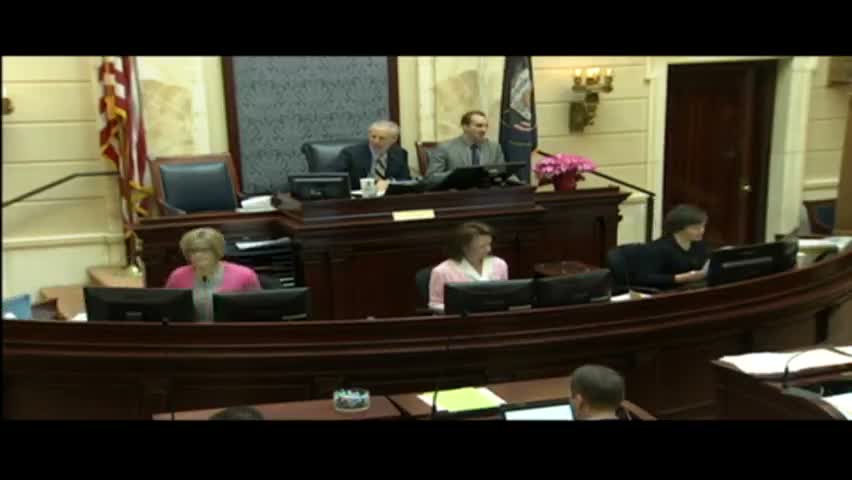
The Utah Senate adopted committee and consent-calendar motions advancing or passing multiple bills on the second- and third-reading calendars, including SB188 (oil, gas and mining), HB158 (National Guard arrest privileges), SB107 (computer science initiative) and other routine measures.
Senate leaders managed a busy morning calendar, adopting committee reports and advancing several bills on the consent and third-reading calendars.
On the consent calendar, Senate Bill 188 (Oil, Gas and Mining amendments) was presented by Senator Van Tassel and passed with a recorded vote of 25–0 (4 absent). House Bill 158, clarifying limited arrest immunity for National Guard members during certain military activities, was recorded as passing 27–0 (2 absent) and will be signed in open session.
Senate Bill 107, a proposal to expand computer science instruction in public schools, was uncircled and passed on a roll call (23–2–4). The chamber also moved SB114 (Board of Education compensation amendments) to a third reading and heard and ordered for third reading several other noncontroversial measures.
The Senate also considered a symbolic bill (SB53) proposed by Daybreak Elementary students to designate the golden retriever as a state domestic animal; the bill was read for a third time with a recorded vote of 14–9–5 in favor. Other third-reading procedural votes and committee-adoption motions were adopted by voice or recorded votes throughout the morning.
Next steps: Many of these measures will be sent to the House or scheduled for third reading according to the Senate calendar.