Get Full Government Meeting Transcripts, Videos, & Alerts Forever!
Get email alerts on the Pension Policy topic
No spam. Unsubscribe anytime.
Senate approves plan allowing Valley Mental Health to leave Utah Retirement System after actuarial buyout
Summary
The Utah Senate passed first substitute Senate Bill 239 to allow Valley Mental Health to withdraw from the Utah Retirement System (URS) with Valley bearing the full buyout cost; updated actuarial work lowered the buyout to about $1.6 million and the measure passed the Senate 23–1 with five absent.
The Utah Senate on the floor passed first substitute Senate Bill 239 to permit Valley Mental Health to withdraw from the Utah Retirement System, after revised actuarial figures reduced the estimated buyout to roughly $1,600,000 and the sponsor said the agency will pay the cost.
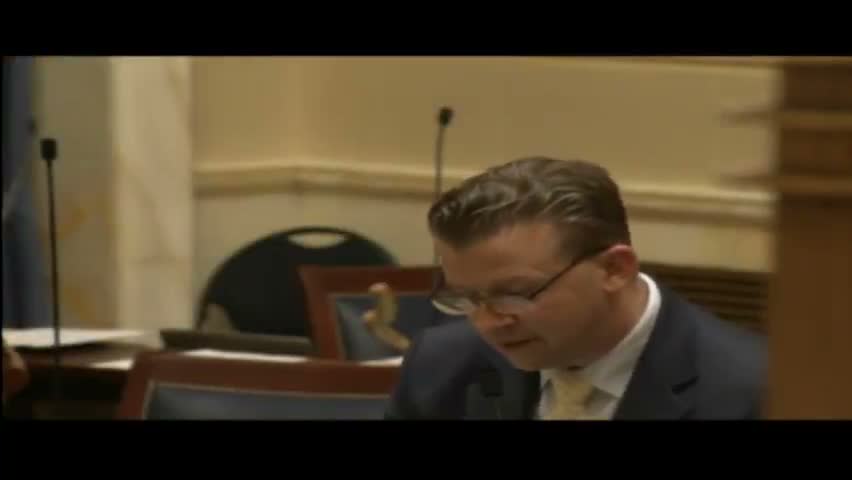
Senator Gregg Weiler, the bill sponsor, told colleagues that new actuarial numbers delivered late in the week reduced earlier, higher estimates and removed any need for state participation. "There’s no ask from the state to help bail out Valley Mental Health," Weiler said, and added that "they will pay their way out." The sponsor said the substitute leaves vested employees in URS so those members will retain their accrued benefits while future hires could be covered under a different plan.
Why it matters: Valley Mental Health employs about 800 people and serves roughly 25,000 clients, and the withdrawal affects the funding pool shared by many smaller public entities. Weiler told senators that the updated snapshot from URS' actuary reduced the cost from an earlier projection of about $6 million to approximately $1.6 million; the sponsor and staff said the buyout is designed so that other entities in the URS small-system pool (about 331 contributors, as described on the floor) will not face higher contribution rates.
Senators pressed for details. Senator Davis asked who would remain in URS and whether vested employees would keep their benefits; the sponsor responded that vested members would remain in their current tiers and receive their benefits, which is why a buyout is required. Senator Jenkins opposed the bill on principle, arguing it effectively shifts systemic loss toward taxpayers. "I don't believe we should spend general funds to do that," Jenkins said during debate; Weiler replied that the substitute specifically requires Valley Mental Health to bear 100% of the cost, and that no state dollars would be used under the substitute.
The Senate recorded a roll-call result for the third reading: first substitute SB239 received 23 aye votes, 1 nay and 5 absences and was read for a third time and sent on for further consideration in the House.
Next steps: The bill was read for a third time after passage in the Senate and will proceed to the House for consideration. Any further changes or a House vote will determine whether the withdrawal becomes final and the precise implementation timeline for employee transition.