Get Full Government Meeting Transcripts, Videos, & Alerts Forever!
Get email alerts on the Public Records topic
No spam. Unsubscribe anytime.
Senate approves records-access compromise that adds local appeals and disclosure thresholds
Summary
Senators passed a negotiated substitute to SB 157 that adds local records-committee appeals and sets thresholds for making certain consumer-protection complaints public; sponsor said the language represents agreements reached with media, industry and local governments.
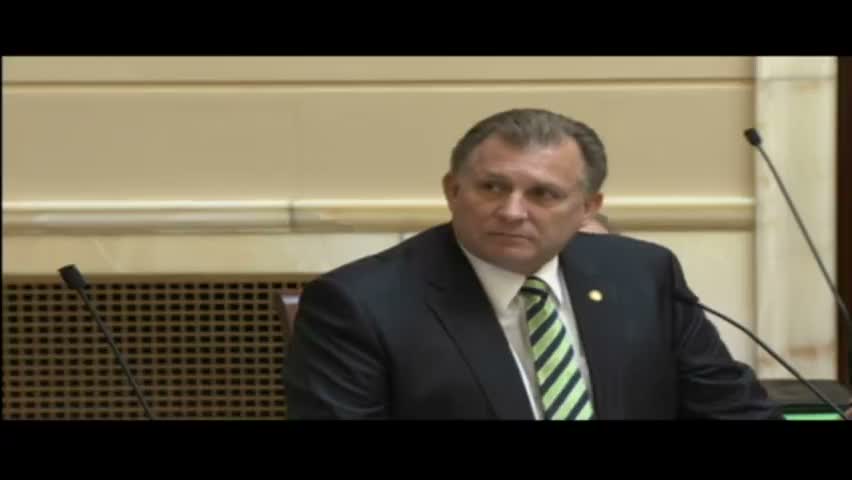
The Utah Senate approved a substitute to Senate Bill 157 on the floor, a records-access measure the sponsor described as the product of months of bargaining among media representatives, industry groups and local governments.
Senator Bramble said the substitute changes the appeals process: a political subdivision with a records officer may establish a local records committee for administrative appeals; parties may then appeal to a state records committee before seeking district court review. The substitute also modifies the public-disclosure rules for consumer-protection complaints: complaints filed against companies subject to the Business Opportunity Disclosure Act or the Telephone Fraud Prevention Act would become public if a company has 50 or more complaints, or if a single complaint alleges losses exceeding $3,500; such records would remain public for a four-year period unless adjudicated and dismissed.
Nut graf: Sponsor characterized the substitute as an agreed compromise among stakeholders, intended to provide a less-costly administrative appeal and clearer thresholds for disclosures that balance transparency with protections for businesses. The chamber adopted the substitute and then passed the bill by roll call.
What happens next: SB 157 will be sent to the House. Implementation will require administrative guidance and possibly rulemaking; matters of adjudication and the treatment of complaints will be subject to the administrative-review process described on the floor.