Get Full Government Meeting Transcripts, Videos, & Alerts Forever!
Get email alerts on the Floor Roundup topic
No spam. Unsubscribe anytime.
Senate floor passes a slate of bills on records appeals, education, veterans court and other measures
Summary
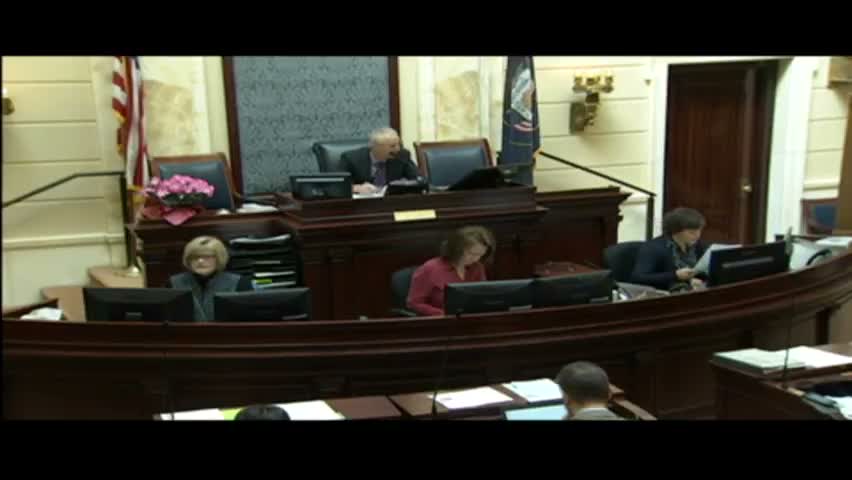
The Utah Senate cleared a broad package of bills and resolutions during its floor session, approving measures on records appeals procedures, school board governance, veterans courts, parental-rights education amendments and several technical or committee-referred bills; many measures were transmitted to the House.
The Utah Senate moved and passed a large group of bills during its floor session, sending several measures to the House for further consideration. Major actions included passage of measures affecting records-access appeals, State Board of Education governance, veterans courts and several routine or technical bills.
Among the items the Senate passed were second substitute Senate Bill 157 (government records access management amendments), which the sponsor described as the product of months of negotiation among media, industry and local government; Senate Bill 195 and the companion SJR 5 (a proposal to ask voters whether the state school board should move from an elected to an appointed model); Senate Bill 214 (authority to create veterans courts); House Bill 18 (conversion and expansion of a children’s hearing-aid program); and a number of insurance, election and technical changes that the Senate placed on its second- or third-reading calendars.
Why it matters: collectively, these measures touch open-records procedures, education governance, veterans’ court capacity and children's health services. Several were described on the floor as either technical cleanups or negotiated compromises intended to resolve longstanding disputes.
Details and outcomes: the Senate reported roll-call tallies on many items and transmitted the passed bills to the House. Where bills were debated on the floor, sponsors described substantive changes or clarifications; where votes were routine, the chamber adopted substitutes or placed bills on consent or concurrence calendars for faster handling. The session closed with leadership warning members that late-night work on the budget could be required the next day.
The Senate will next allow the House to consider the bills sent across the aisle; bills that require further amendment or conference will be addressed in follow-up deliberations.