Get Full Government Meeting Transcripts, Videos, & Alerts Forever!
Get email alerts on the Medical Cannabis topic
No spam. Unsubscribe anytime.
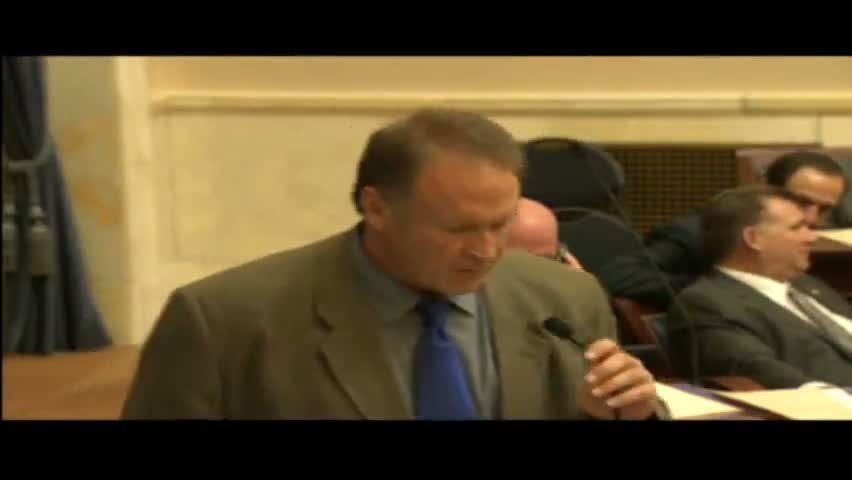
Senate passes medical cannabis amendments after heated debate, 16–13
Summary
After hours of floor debate over constitutionality, regulatory design and agency roles, the Utah Senate approved second-substitute SB 259 to legalize a regulated medical cannabis program by a 16–13 margin. Questions on Department of Public Safety involvement and stakeholder vetting figured prominently in floor remarks.
The Utah Senate passed second‑substitute Senate Bill 259, the medical cannabis amendments, in a 16–13 recorded vote after lengthy floor debate over legal risk, administrative responsibility and policy details.
Senator Todd Madsen (sponsor) told colleagues the revised substitute restores conditions removed in drafting, corrects agency references, and establishes a regulatory system that would use a vendor‑run database and card system overseen by the Department of Public Safety (DPS) to track patient registration, dispensation and sales. Madsen said the bill aims to provide patients an alternative to opioids and argued the change could reduce overdose deaths based on outcomes reported in other states.
Opponents focused on process and possible legal vulnerability. Senator Weiler cited a two‑page legal note in the substitute stating the legislation “has a high probability of being declared unconstitutional” and urged caution. Several senators, including Hilliard and Thatcher, said key executive‑branch agencies had not been adequately consulted and raised concerns about product purity, enforcement and unintended public‑safety effects. Senator Weiler and others also criticized the compressed timeline for drafting and committee review.
On the bill’s structure, Madsen described three administrative features that drew sustained questioning: a requirement that DPS issue a request for proposals (RFP) to select a vendor to operate a statewide dynamic database tracking seed‑to‑sale activity and card issuance; use of the DPS and driver‑license systems for residency and felony checks; and a vendor‑administered payment/identification card intended to address federal banking constraints. He told senators the DPS role would be largely to issue and oversee the RFP and to ensure law‑enforcement access to verification tools.
Supporters described personal patient stories and possible therapeutic uses. Senator Davis and other members shared constituent anecdotes — including families with seizure disorders — to argue for legislative action rather than leaving the issue to a referendum. Several senators said they were sympathetic but remained unconvinced the bill had been fully vetted.
The recorded roll call produced a 16‑yea, 13‑nay outcome on adoption of the second substitute. Following that action, the Senate adjourned until 10 a.m. the next day.
What happens next: The Senate vote advances the bill as amended; it must still proceed to the House for consideration and face potential further amendment, legislative negotiation or executive action.