Get Full Government Meeting Transcripts, Videos, & Alerts Forever!
Get email alerts on the Consumer Protection topic
No spam. Unsubscribe anytime.
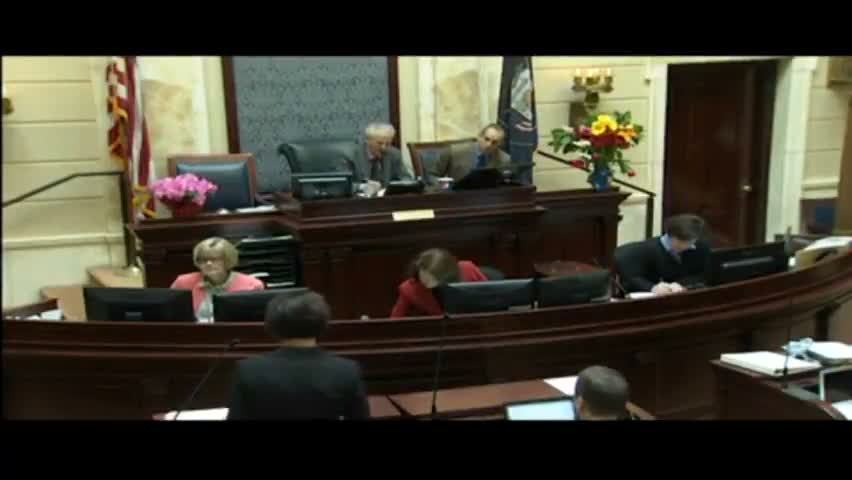
Utah Senate advances bill to block contact-lens minimum‑price rules, sponsor says it protects consumers
Summary
Senators debated SB169, a bill to bar manufacturers from dictating retailers’ contact‑lens prices. Sponsor Senator Henderson said the measure restores retail competition and does not change clinical prescribing authority; questions focused on optometry groups’ opposition and letters of support from retailers.
Senator Todd Henderson, sponsor of Senate Bill 169, told the Senate the measure would prevent contact‑lens manufacturers from imposing minimum retail prices that ‘‘effectively removes all price based competition.’’ Henderson said SB169 ‘‘does not change eye health standards in any way’’ and is aimed at restoring consumer choice and lower prices by prohibiting manufacturers from enforcing floor prices on retailers.
The bill grew out of complaints that four major manufacturers implemented unilateral pricing policies that limit retailers’ ability to discount products. Henderson said he worked with optometrists and that the Utah Optometric Association is ‘‘comfortable’’ with the bill’s scope, while acknowledging the American Optometric Association had expressed opposition in letters to senators. He also said retailers, including Costco, had written in support and that immediate price reductions could follow if the bill becomes law.
Senator Shiozawa questioned the sponsor about outreach from optometrists in his district and asked how the Senate should weigh the optometrists’ concerns. Henderson replied that the bill ‘‘says that manufacturers can't tell retailers the price that they have to charge for contact lenses’’ and that it preserves clinicians’ ability to prescribe appropriate lenses.
During floor debate members expressed concern over tradeoffs between consumer price relief and potential impacts on local providers. Several senators offered brief explanations of their votes as the Senate proceeded to a roll call.
What happens next: the Senate ordered SB169 to be read for a third time and proceeded with a roll call vote record on the floor. The bill will continue through the legislative process where committees, final passage votes and the governor’s desk will determine its outcome.