Get Full Government Meeting Transcripts, Videos, & Alerts Forever!
Get email alerts on the Consumer Finance topic
No spam. Unsubscribe anytime.
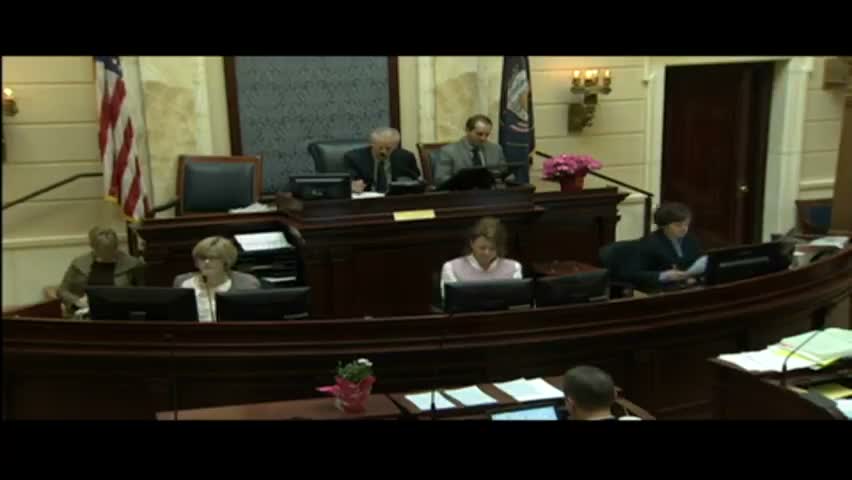
Senate advances reverse-mortgage regulation bill targeting nonfederally insured products
Summary
Senate Bill 120 would create a Utah reverse-mortgage act—including definitions, counseling and cooling-off periods, lender-priority rules and remedies—applied to non‑federally insured reverse mortgages; sponsor framed the bill as consumer-protection to avoid abuses seen in other states.
Senator Harper presented Senate Bill 120 to establish a Utah reverse-mortgage act that defines the product, sets counseling and review requirements, provides a cooling-off period and clarifies lender priority and enforcement for non‑federally insured reverse-mortgage products.
"So senate bill 120 goes through and establishes the Utah reverse mortgages act," Harper said, explaining the bill borrows provisions from federal rules and from other states that have enacted similar protections. He said the bill does not change protections for federally insured reverse mortgages but fills a regulatory gap for non‑federally insured offerings. "Basically, what we're doing is saying, yes, you can do a reverse mortgage, but you need to operate under these things," the sponsor said, describing consumer-protection elements such as counseling and clearer foreclosure and lender-priority rules.
Senators asked whether reverse mortgages currently exist in Utah and whether the bill would apply to federally insured products; the sponsor clarified it targets nonfederally insured reverse mortgages and aims to provide clarity and remedies if lenders fail to comply with contract terms. The sponsor moved the bill for third reading and the transcript records it advanced with an affirmative roll call.
Supporters described the bill as a preventative measure drawing on other states’ experience to protect homeowners—particularly seniors—who might otherwise lose homes after entering unfamiliar loan contracts. Questions noted that the bill would not restrict federally insured reverse mortgages but would create parallel consumer protections for other products.