Get Full Government Meeting Transcripts, Videos, & Alerts Forever!
Get email alerts on the Education Elections topic
No spam. Unsubscribe anytime.
Senate amends school-board elections bill, shifting partisan threshold to larger districts
Summary
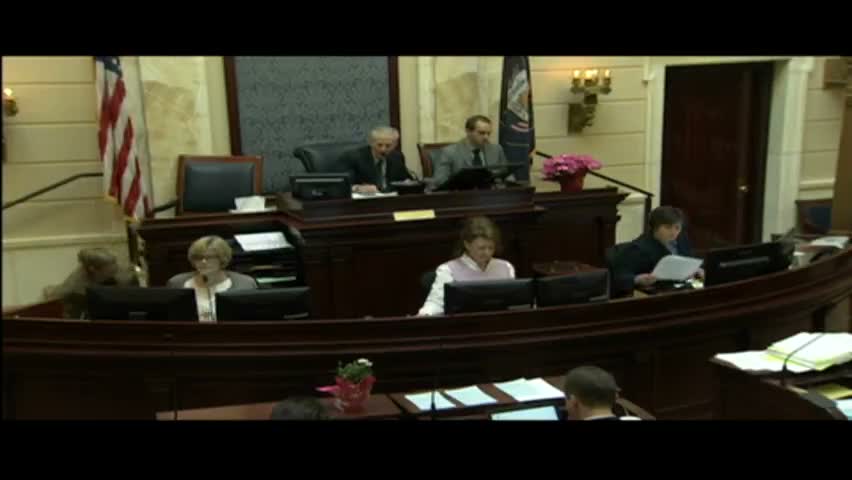
Senate debate on SB104 produced a floor amendment changing the enrollment threshold for partisan school-board elections from 3,000 to 20,000 students; sponsors said the change responds to a court ruling that found the prior vetting system unconstitutional and aims to restore accountability, while opponents warned the change would politicize local education.
A lengthy floor debate on second substitute Senate Bill 104 produced a major amendment changing the enrollment cutoff that determines whether a school district’s board elections would be partisan. The Senate voted to amend the bill, replacing a 3,000‑student threshold with 20,000.
Sponsor Senator Jackson framed the bill as a response to a court ruling finding the existing vetting system for the state school board lacked clear standards. "This legislation attempts to bring some more accountability back to the parents as the school board should be accountable to the parents," Jackson said, arguing that the substitute would restore clearer lines of accountability and vetting for candidates. Jackson and supporters said the change would return some control to parents through delegate vetting and, for larger districts, partisan elections.
Opponents said the move risks politicizing local school-board races. Senator Mathis warned, "I think throwing that into a whole big Republican Democrat doesn't solve anything," and said the change could make local governance more divisive. Senators debated operational issues including whether federal employees covered by the Hatch Act could participate in partisan contests and whether unaffiliated candidates would be permitted.
Senator Bramble proposed and won floor amendments to move the threshold to 20,000 students (he described a natural break between the ninth and tenth largest districts). Senators from rural and smaller districts argued for preserving nonpartisan local elections; sponsors said the amendment responds to court concerns about standards for vetting at the state level while preserving nonpartisan processes for many smaller districts.
After debate, the Senate advanced the bill toward third reading with recorded votes on the substitute and the amendment. The transcript records questions and several senators’ explanations of vote.