Get Full Government Meeting Transcripts, Videos, & Alerts Forever!
Get email alerts on the Consumer Protection topic
No spam. Unsubscribe anytime.
Senate advances work on commercial-filing reforms to block bogus liens
Summary
Senators discussed a substitute to Senate Bill 93 to curb bogus commercial-code filings that can place false liens on personal property and credit records; sponsor said the substitute creates expedited review, notice and fee-recovery measures and aligns criminal penalties with real‑estate lien law. The Senate circled the bill for further work.
Senate sponsors outlined a substitute to Senate Bill 93 aimed at reducing fraudulent or harassing filings in the commercial-code filing system, a practice that can surface unexpectedly on credit reports and harm individuals and businesses.
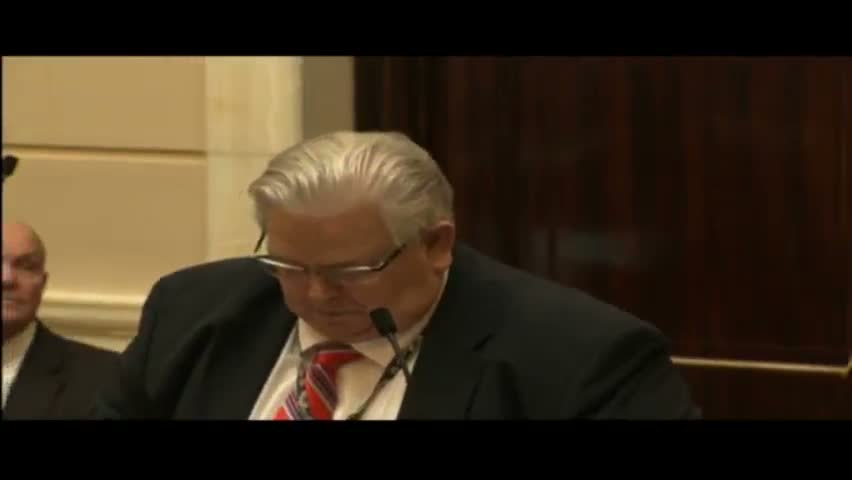
Senator Hilliard, the sponsor, described the problem as filings “against generally prominent people” that can show up on credit reports and said the substitute creates expedited review and notice procedures to remove invalid liens quickly. He said the measure preserves bona fide filers’ rights while giving targets a faster route to challenge bogus claims and recover costs. “If you file one of these liens, they can prove you filed it with intent or harass. It’s a class B misdemeanor,” Hilliard said, adding that more serious fraud could reach felony charges if intent to defraud is proven.
The bill’s substitute would extend procedural protections already used for real-estate liens to personal-property filings, including: a 14-day notice removal pathway, an expedited hearing process, and a provision that upholds a valid filer’s original filing date if a challenge is rejected. Hilliard said the changes are intended to safeguard legitimate security interests while preventing abuse by interlopers.
Senator Jenkins and other senators pressed the sponsor on the risk that the criminal provisions could sweep in routine commercial activity and on how the measure would distinguish bona fide filings from harassment. Hilliard responded that criminal liability requires proof of intent and that routine, good-faith filings would remain lawful; he said the language was intended to make penalties consistent with existing law for land-mortgage filings.
After extended floor discussion, the sponsor moved to circle the bill for further stakeholder work and technical refinement; the motion to circle passed by voice vote. The bill will return to the floor after sponsors and stakeholders fine-tune language on penalties and procedural protections.
The Senate did not take a final vote on the bill during the afternoon session.