Get Full Government Meeting Transcripts, Videos, & Alerts Forever!
Get email alerts on the Sales Tax Molten Magnesium topic
No spam. Unsubscribe anytime.
Senate advances bill to codify sales-tax treatment for molten magnesium after Tax Commission audit
Summary
The Utah Senate advanced SB 21 to third reading after debate over a clarified sales-tax exemption for molten magnesium used between two local firms; supporters said the bill prevents auditors from imposing retroactive taxes that could cost the companies jobs, while opponents called the carve-out unfair.
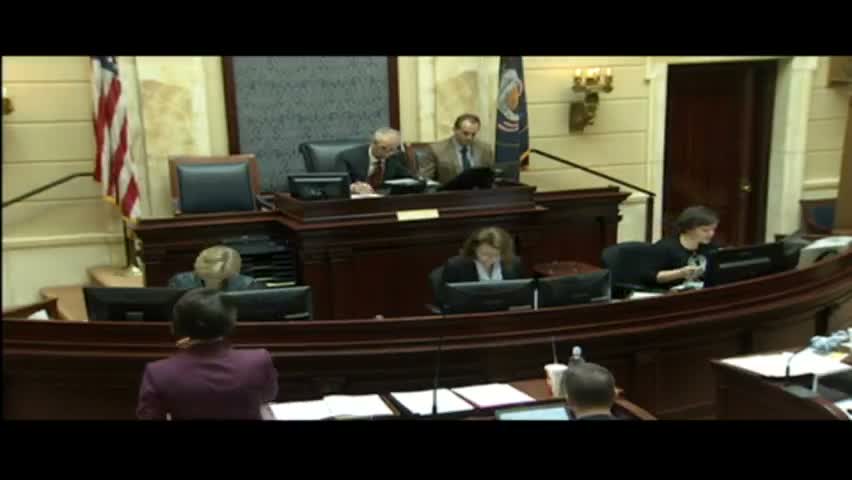
Senators advanced Senate Bill 21 to third reading after an extended floor debate over whether state sales-and-use tax law should explicitly exclude molten magnesium transfers used in a narrow industrial process.
Senator Henderson, the bill sponsor, told colleagues the measure clarifies existing practice after an audit by the Utah State Tax Commission raised questions about whether molten magnesium moving between two Tooele County firms—US Magnesium and ATI—should be taxed. Henderson said the bill would preserve current practice and avoid imposing roughly $700,000 in annual liability that an audit could require. "They employ 163 Utahns, with a high average wage," Henderson said, adding that ATI already pays more than $6,000,000 a year in taxes.
Supporters framed the bill as a technical fix. Senator (member of the revenue and taxation committee) said the change simply codifies what has been treated as exempt in practice and would carry a zero fiscal note because no tax had previously been collected. "Historically they've never taxed this," the senator said, arguing the Legislature should avoid creating unexpected retroactive obligations.
Opponents pressed on equity and carve-outs. One senator who identified themselves as concerned about repeated tax exemptions for special corporations urged caution: "It really is robbing our state of the fair share," the senator said, explaining they opposed granting one more corporate carve-out from sales tax.
In floor remarks explaining votes, proponents emphasized the bill was a response to an audit, not a new exemption, and said failing to act could result in future tax assessments that businesses had not budgeted for. Opponents said the change could set a precedent for further exemptions and raised fairness questions.
The bill was placed on the third-reading calendar after the roll-call sequence recorded support and opposition; in the transcript the clerk reported the bill would be read for a third time and proceed to the House after final action.
Next steps: SB 21 was advanced to third reading on the Senate floor; any final amendments or a third-reading vote will take place according to the Senate calendar.