Get Full Government Meeting Transcripts, Videos, & Alerts Forever!
Get email alerts on the Workers Compensation Reform topic
No spam. Unsubscribe anytime.
Senate approves first substitute changing WCF tax status and board structure
Summary
Lawmakers approved a first substitute to SB 63 that removes a federal tax exemption for the state’s workers’ compensation fund, changes board selection and limits the fund’s insurance activities while allowing reinsurance; sponsor said the move aims to keep Utah’s workers’ comp rates competitive.
The Senate on Day 9 approved a first substitute to SB 63 that changes governance and tax treatment of the Utah Workers’ Compensation Fund (WCF).
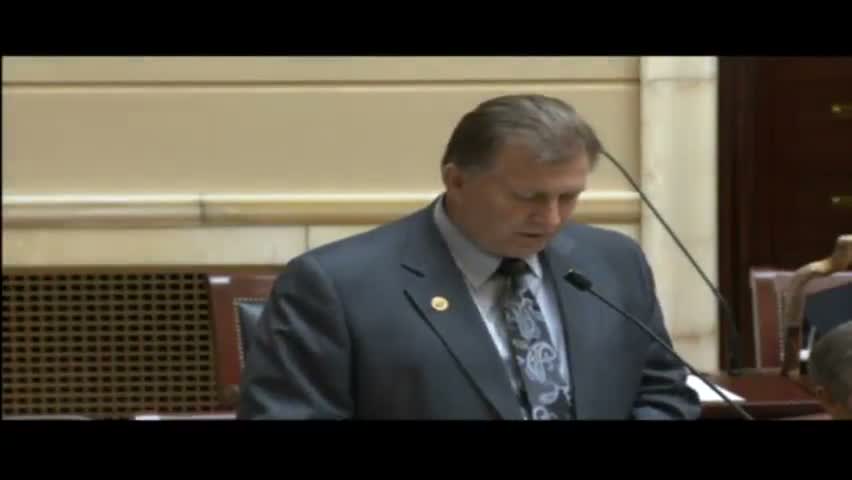
Senator Bramble presented the measure, saying it “effectively revokes the federal tax exemption currently enjoyed by” the WCF, revises how board members are selected, removes a statutory reference to the governor’s office of economic development and clarifies allowable activities for the fund. Bramble said the bill bars WCF from directly offering health insurance or acting as a third‑party administrator, but permits reinsurance arrangements. He said stakeholders in the private insurance market and the commissioner of insurance engaged in discussions and now support the substitute.
Bramble acknowledged a fiscal note estimating an $8–$10 million federal income tax liability for the fund, but said the fund expects to offset that liability through an expanded business plan and that the change is needed to keep Utah’s workers’ compensation rates competitive for employers. Senator Maine and others spoke in favor; concern questions about insurer‑of‑last‑resort responsibilities were raised and the sponsor confirmed the fund would remain the insurer of last resort under the substitute.
Senators adopted the substitute and later recorded the roll call showing 26 'yay' votes, 0 'nay', and 3 absent; the first substitute was read for a third time and will proceed to further consideration.
The bill’s fiscal impacts and the practical effect on WCF operations and private market competition will depend on final bill language and any implementing guidance from the insurance commissioner.