Get Full Government Meeting Transcripts, Videos, & Alerts Forever!
Get email alerts on the Medicaid Audit Reform topic
No spam. Unsubscribe anytime.
Senate advances Medicaid audit bill adding provider protections and stricter extrapolation rules
Summary
The Senate moved the first substitute to SB 61 forward after debate that added procedural protections for providers facing Medicaid audits, limits on contingent-fee auditors and stricter criteria for extrapolation. The bill was read for a third time with unanimous support.
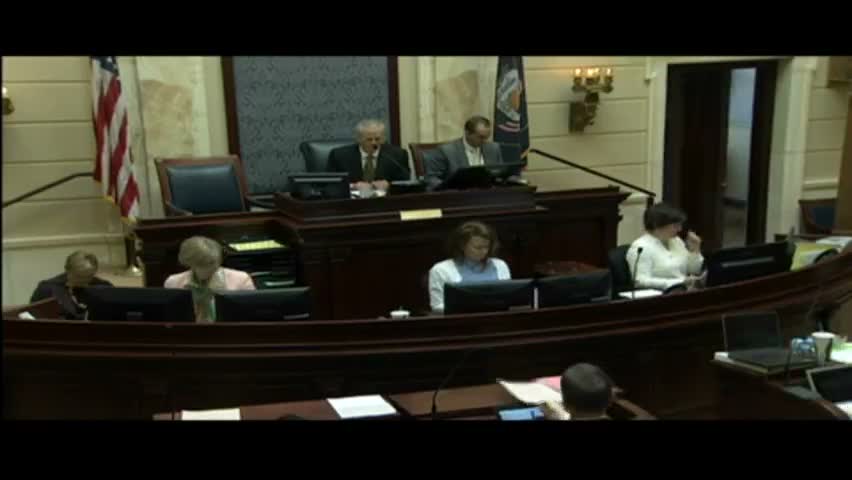
Senators on Day 9 advanced the first substitute to SB 61, a bill that revises state Medicaid audit procedures to add provider protections and tighten when agencies may use statistical extrapolation.
Sponsor (identified in debate as Senator Hilliard) told colleagues the measure aims to make audit rules “fair and consistent,” require that providers be notified in advance, and place medical or dental professionals on audit teams to reduce technical errors in billing reviews. He said the bill also restricts contingent-fee arrangements for outside auditors and sets criteria auditors must meet before using extrapolation, including a demonstrated error rate (a cited threshold of 10%) and a reimbursement exposure threshold of $200,000.
Senator Christensen, who said he had heard the bill in committee, and Senator Vickers, who described firsthand experience supporting providers through audits, both spoke in support. Vickers said extrapolation raises “red flags” for providers and welcomed the bill’s added safeguards. Sponsor summary language emphasized notifying providers and limiting extrapolation to cases where education interventions have failed and sampling shows a meaningful error rate.
After discussion the sponsor called for the question. The roll call recorded 29 'yay' votes, 0 'nay' votes and 0 absent; the bill was ordered to be read for a third time and will proceed in the legislative process.
The bill’s text and any subsequent amendments will determine final implementation details, including how the 10% threshold and the $200,000 figure are applied and whether federal-audit requirements create exceptions to the contingent-fee restriction. The Senate record indicates the intent is to reduce undue financial risk and administrative burden for small providers while preserving legitimate audit authority.