Get Full Government Meeting Transcripts, Videos, & Alerts Forever!
Get email alerts on the Abortion Policy topic
No spam. Unsubscribe anytime.
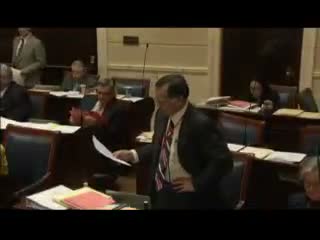
Utah Senate passes amendment tightening language on elective abortions, sparking emotional debate
Summary
The Utah Senate approved an amendment clarifying exceptions for life-endangerment and nonviable fetuses and that anesthesia would be required for elective abortions under the measure; senators, doctors and one senator reading a constituent account debated medical and emotional implications.
The Utah Senate on March 7 approved an amendment to an abortion-related measure that narrows the circumstances in which an abortion would be exempted and adds language about anesthesia for elective procedures.
Sponsor Senator Bramble told colleagues the amendment clarifies intent and preserves medical exceptions. “If it is elective, then anesthesia would be required to protect the child from the infliction of pain at the time their life is forfeit,” he said on the floor, framing the change as a precise drafting fix rather than a broad new restriction.
Senator Davis pressed the sponsor with a constituent account, saying she had received an email from a woman who underwent an elective abortion at 20 weeks and described the experience as traumatic. “This would prohibit that from taking place,” Davis said, asking whether the amendment would bar care in such cases. Bramble responded that whether a particular case would be covered depends on medical facts and that the amendment was intended to address elective procedures, not necessary emergency care.
Senator Shiozawa (appearing in floor discussion) and others said they had consulted maternal-fetal medicine and OB-GYN clinicians and that the amendment sought to address a narrow and technical gap while protecting clinicians who care for life-threatening situations. A medical representative noted that in some scenarios a pregnancy may be stillborn and not subject to the statute’s pain-protection language.
The amendment passed on the floor after debate and follow-up questions. Senate leaders later moved to circle further action on the related bill until more senators returned to the floor for full consideration.
Why it matters: The amendment changes statutory language on how elective abortions and certain medical exceptions are handled and triggered immediate policy and emotional debate on the Senate floor. Supporters described it as a drafting clarification to protect medical practice in limited circumstances; critics and some senators emphasized the emotional weight of cases raised by constituents and urged careful medical review.
What comes next: Senators voted to table further floor action on the underlying bill until more members could be present; sponsors indicated the measure could return after additional review or in a subsequent session.
Source: Public floor debate and roll-call activity recorded in the Utah Senate floor transcript, March 7, 2016.