Get Full Government Meeting Transcripts, Videos, & Alerts Forever!
Get email alerts on the Protective Order Falsification topic
No spam. Unsubscribe anytime.
Senate approves bill creating penalties for falsifying protective‑order statements
Summary
The Utah Senate passed fourth substitute SB 90, which adds civil remedies and possible fees for knowingly falsifying material statements in domestic protective‑order proceedings; sponsors say it offers recourse for wrongly accused respondents while opponents warn of chilling effects on victims. The bill moves to the House.
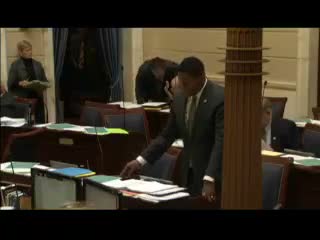
The Utah Senate on the floor voted to pass fourth substitute Senate Bill 90, a measure the sponsor said is intended to curb abuses of the domestic protective‑order process by creating civil remedies and other penalties for people who knowingly provide materially false statements to obtain protective orders.
Senator Jackson, sponsor of the fourth substitute, told colleagues the legislation responds to cases where ‘‘individuals using the courts and the protective order system’’ have sought to get even with an ex‑spouse and in doing so destroyed lives and parental relationships. ‘‘If you’re telling the truth,’’ Jackson said, ‘‘you shouldn’t fear this legislation. But if you are misleading the court, then there should be reparations to the person that you’ve affected.’’
Supporters described the bill as a narrow, targeted attempt to allow wrongly harmed respondents to seek compensation for attorney fees and parenting‑time losses. Senator Thatcher thanked Jackson for bringing the issue forward and urged passage, saying he knew several people who had incurred heavy costs to clear their names after what he described as ‘‘easily disproven, false allegations.’’ Thatcher said the fourth substitute represented a balance that took input from the Commission on Criminal and Juvenile Justice and the sentencing commission.
Opponents and cautious senators raised concerns about the bill’s potential to discourage legitimate victims from seeking protection. Senator Hilliard warned that protective‑order proceedings often involve complex dynamics and that adding penalties could create a ‘‘chilling effect’’ that deters genuine victims. Senator Henderson asked how perjury prosecutions were handled under current law and whether reciprocal penalties could punish victims who later recant under pressure; Jackson said the bill includes reciprocal provisions and that committee changes addressed that concern.
After debate, the Senate suspended the constitutional three‑reading rule and took a roll‑call vote. The fourth substitute SB 90 passed 15–8 with six senators absent and will be transmitted to the Utah House for consideration.
The Senate’s action ends floor deliberation on the fourth substitute; the next step in the process is House consideration and any subsequent conference work if the House amends the measure.