Get Full Government Meeting Transcripts, Videos, & Alerts Forever!
Get email alerts on the Public Safety And Justice topic
No spam. Unsubscribe anytime.
Traffic-fines amendment passes in Utah Senate after debate over municipal policing practices
Summary
The Utah Senate passed a traffic-fines amendment (Senate Bill 100) that drew extended floor debate about municipal dependence on fine revenue and accusations of "policing for profit." Opponents urged caps; supporters cited public safety and local court costs.
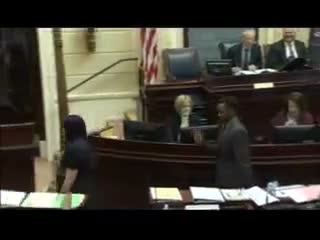
Senators passed Senate Bill 100, a traffic fines amendments bill, following extended debate on the Senate floor about the use of traffic fines by small municipalities.
Sen. Hilliard was the listed sponsor for SB100 when the item was placed on the third-reading calendar. During debate, senators raised concerns that small towns and certain municipal practices create incentives to generate revenue from traffic enforcement. One senator characterized the issue as "policing for profit," arguing that revenue incentives can distort enforcement priorities.
Sen. Knudson, during floor discussion, urged colleagues to reconsider the legislation, describing local examples and urging caution: "I believe this legislation should not pass," he said after outlining contacts and concerns he had received from constituents and local officials.
Supporters of the bill argued it would address court costs and provide a framework for handling fines and fees tied to public safety and infrastructure needs. After the call for the question and a roll-call vote, the clerk announced the result: SB100 received 23 "yea" votes, 4 "nay" votes and 2 absent. The bill passed the Senate and will be transmitted to the House for further consideration.
The transcript records both the policy rationale offered by proponents and the local‑government and civil‑liberty concerns raised by opponents. The Senate vote advances the bill to the House, where details of implementation and any amendments will be considered further.
Because the transcript attributes substantive opposition and detailed examples to specific senators, coverage reflects those remarks without expanding beyond the floor record.