Get Full Government Meeting Transcripts, Videos, & Alerts Forever!
Get email alerts on the Public Assistance Training topic
No spam. Unsubscribe anytime.
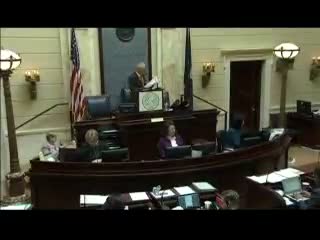
Senate debate centers on self‑reliance training bill for public assistance recipients
Summary
Senate Bill 153, presented as a measure to promote 'self‑reliance' among public assistance recipients, drew extended floor debate over scope, administrative burden and lack of funding. Sponsor said content will be personalized through the Department of Workforce Services; critics warned it could create tracking burdens and harm people in crisis.
Senate Bill 153, sponsored on the floor by Senator Filmore, would require tailored self‑reliance content — counseling and training — for certain recipients of public assistance. Filmore described the effort as designed to "increase the capacity for individuals to be self‑sufficient and self reliant," and said the Department of Workforce Services would create individualized content to match recipients' needs.
Opponents on the floor raised practical concerns. Several senators questioned how the program would be implemented without additional funding and whether it would create a new bureaucratic burden for caseworkers and families. One senator summarized concerns that mandatory participation could be punitive for people in crisis and would present logistical obstacles for single parents, including childcare and transportation challenges. Another lawmaker asked whether unemployment insurance programs would be covered under the bill's definition of public assistance; the sponsor replied the current bill targets specific programs and did not include unemployment insurance at this time.
Sponsor Filmore repeatedly said the program was meant to be individualized and would not cut off crisis assistance; he insisted the provision requiring about an "average of 10 minutes a week" of counseling over 90 days was a reasonable and tailored step toward employment and stability. Floor discussion noted a cited estimate of roughly 500,000 people covered by some public assistance programs on the state reports, which opponents used to underline concerns about tracking and resource capacity. Supporters said the customization feature and existing case management would limit additional administrative burden and emphasized the bill had no fiscal note.
The Senate ultimately moved forward on the bill after debate; the floor record shows recorded aye votes during the roll call, and the measure proceeded through the calendar.