Get Full Government Meeting Transcripts, Videos, & Alerts Forever!
Get email alerts on the Constitutional Reform topic
No spam. Unsubscribe anytime.
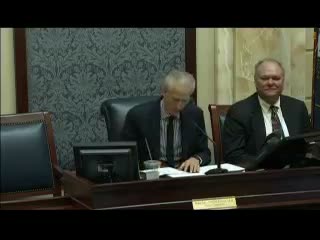
Utah Senate approves resolution urging repeal of 17th Amendment after extended floor debate
Summary
The Utah Senate voted to send a joint resolution to the House calling for repeal of the U.S. Constitution's Seventeenth Amendment after extended floor debate over state power versus direct election of U.S. senators.
The Utah Senate voted to send a joint resolution to the House urging repeal of the Seventeenth Amendment to the U.S. Constitution after an extended debate on the Senate floor.
Sen. Jerry Jackson, sponsor of Senate Joint Resolution 2, framed repeal as a means to restore a state-level check on federal authority, saying the original design "was to protect the people from a runaway federal government" and arguing states should have greater power over federal decision-making. He told colleagues the change would return responsibility to state legislatures rather than direct popular election.
Opponents on the floor raised concerns about removing direct democratic choice. Sen. Davis warned that the change "would shut the public out" of the process and said his constituents expect the right to vote for U.S. senators. Sen. Dabakis sought a small amendment to guarantee bipartisan representation in any future state-selected delegation; he described the amendment as a non‑consequential, balancing measure.
Sen. Dayton, speaking in favor of the resolution, said he had been disappointed by a news report but defended the measure as a way to make senators more accountable to the states. "We represent the people," Dayton said, urging colleagues to consider bringing some responsibilities home from Washington.
After discussion and a motion to call the question, the clerk announced the tally: the resolution received 20 "yea" votes, 6 "nay" votes and 3 absent. The resolution passed the Senate and will be transmitted to the Utah House for consideration.
The vote does not in itself change federal law; a constitutional amendment would require congressional and state action at the federal level. The Senate transcript records arguments both for and against the change, with supporters emphasizing state authority and opponents emphasizing the loss of direct voter choice.
The resolution now advances to the House, where lawmakers will decide whether to take similar action or to modify the request before sending it on to Congress.