Get Full Government Meeting Transcripts, Videos, & Alerts Forever!
Get email alerts on the Health Care topic
No spam. Unsubscribe anytime.
Utah Senate advances nurse-practitioner prescribing bill on consent calendar
Summary
Senate placed Substitute Senate Bill 58 (Nurse Practitioner Amendments) on the consent calendar and, after brief presentation by the sponsor, advanced the measure to the House. Sponsor said the bill defines pain clinics and allows advanced practice registered nurses limited authority to prescribe Schedule II drugs under prescribed conditions.
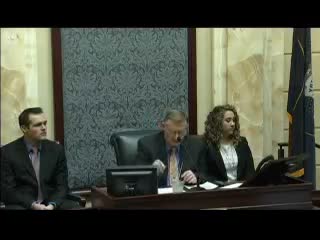
The Utah Senate placed Substitute Senate Bill 58, a package of changes to nurse-practitioner practice and prescribing authority, on the consent calendar and advanced it to the House on March 2, 2016.
Senator Hankins, the Senate sponsor, told colleagues the bill "allows an advanced practice registered nurse to prescribe a Schedule II controlled substance without a consultation in certain circumstances" and adds a definition of "pain clinics" within Title 58's Division of Occupational and Professional Licensing framework. He described the measure as "a consensus bill" and said stakeholders had worked toward agreement, which is why the bill was being handled on the consent calendar.
Senators took a recorded consent vote after the presentation and the presiding officer directed that the bill be sent to the House for further consideration. The bill's language as presented would change scope-of-practice provisions and clarify regulatory definitions used by the licensing division.
The bill references rules under Title 58, Division of Occupational and Professional Licensing; the sponsor said the measure is intended to allow advanced practice registered nurses to provide care in expanded settings while preserving regulatory oversight. No organized opposition was reported on the floor.
Next steps: the Senate transmitted the substitute to the House for further consideration; additional amendment opportunities and committee review in the House remain possible.