Get Full Government Meeting Transcripts, Videos, & Alerts Forever!
Get email alerts on the Medical Cannabis topic
No spam. Unsubscribe anytime.
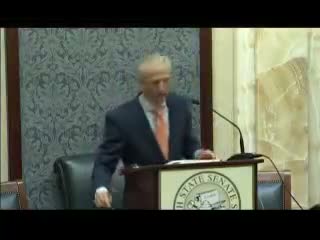
Utah Senate approves second-substitute Medical Cannabis Act after heated debate
Summary
After extensive floor debate over definitions, dosing, packaging and database access, the Utah Senate passed the second substitute to Senate Bill 73 on medical cannabis, 17–12. Sponsors said the bill prioritizes sick patients and avoids a general‑fund appropriation; critics raised health and federal-law concerns.
The Utah Senate passed a second substitute to the Medical Cannabis Act (second substitute SB 73) on Feb. 25, approving the measure 17–12 and sending it to the House for consideration.
Senator Madsen, the bill sponsor, framed the legislation as a narrowly tailored medical program intended to “end the practice of arresting and charging and putting sick people into jail,” and said the measure clarifies the definition of cannabis and dosing, incorporates product‑testing references to federal Code of Federal Regulations standards, and limits affirmative rulemaking authority previously granted to agencies. He also said the fiscal language is intended to avoid a general‑fund appropriation and noted the fiscal analyst projects a roughly $250,000 deficit in 2017 that would be swept in the second year to cover the shortfall.
The floor debate focused on three technical and policy areas: definitions and rulemaking authority, integration with the state controlled‑substances database, and packaging/dosing standards. Senator Chiazzawa asked whether the bill would allow physicians and other providers to view a patient’s cannabis history on the same screen within the state controlled‑substances database; Senator Madsen said vendor work was planned to make that view possible but that it carries a cost. Chiazzawa also noted and thanked the sponsor for language she had secured requiring child‑resistant packaging similar to standards used for Schedule II narcotics.
Opponents raised concerns about public health and unintended consequences. Senator Christensen warned that, under federal law, “anyone issued a cannabis card is by federal law declared an illegal drug user” and that individuals who are illegal drug users may lose the ability to obtain or possess a concealed‑carry firearm; he said that conflict creates a “conundrum.” Other senators cited addiction and gateway concerns and said they believed the body was moving too quickly.
Senator Madsen acknowledged risks but urged action “out of hope, and out of compassion,” saying the program is designed to serve sick patients and to learn from other states’ experiences. Following a motion to call the question and a roll‑call vote, the Senate recorded 17 yays and 12 nays and passed the second substitute.
The bill now moves to the House for further consideration.
Votes and procedural history in the Senate: Senator Madsen moved to substitute the bill with the second substitute and the Senate adopted the substitution. After floor debate and roll‑call, the second substitute SB 73 passed 17–12 and was transmitted to the House.