Get Full Government Meeting Transcripts, Videos, & Alerts Forever!
Get email alerts on the Computer Science topic
No spam. Unsubscribe anytime.
Senate approves computer‑science initiative after funding debate
Summary
Senate Bill 93 would fund a statewide computer‑science initiative administered by the STEM Action Center and State Board of Education; debate focused on whether grants should be paid from the general fund or the state education fund.
Senate Bill 93, the Computer Science Initiative for Public Schools, cleared a key procedural vote in the Utah Senate after a debate about funding sources.
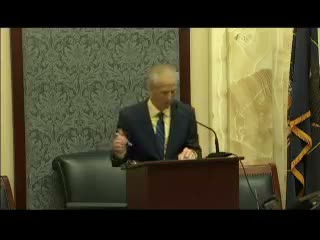
Sponsor Senator H. Stevenson described the bill as a nationally watched effort to expand K‑12 computer science instruction, with the STEM Action Center and State Board of Education collaborating to implement grant criteria and provide oversight. The sponsor emphasized the initiative will provide competitive grants designed to meet quality criteria and to expand student access to computer‑science courses.
Several senators raised funding concerns. Senator Hilliard explained his opposition: "I'm voting no. And the reason I'm voting no is because it's coming from general fund," he said, noting the large share of education money in the state's surplus and arguing the program's funding source sends the wrong signal. Supporters countered that the grants are administered by the STEM Action Center and that general fund appropriations historically financed the center; sponsor Stevenson and other proponents said the measure does not take money from the Weighted Pupil Unit and that using general fund revenues for targeted grants is appropriate.
The roll call recorded 24 yea and 5 nay votes; the bill was read for a third time. Sponsors noted that grants will be subject to criteria designed to ensure program quality and that the STEM Action Center will include initiative reporting in its annual report to the State Board of Education.
Why it matters
Proponents argue the initiative expands a high‑demand skill set and supports workforce development; opponents worry about using one‑time general fund surpluses for what they described as an education project better funded from the permanent education fund.
What comes next
The bill will proceed to third reading; implementation details, grant criteria and reporting responsibilities will be part of subsequent administrative rulemaking and appropriations items.