Get Full Government Meeting Transcripts, Videos, & Alerts Forever!
Get email alerts on the Education Safety topic
No spam. Unsubscribe anytime.
Senate advances $75,000 pilot to fund optional school gun-safety training
Summary
The Utah Senate advanced Senate Bill 43, a proposed pilot that would appropriate $75,000 for school districts to offer opt-in gun-safety training or videos for students; sponsors said it would teach children to respect guns as potentially loaded while opponents questioned use of general-fund dollars.
Senate Bill 43, a measure to pilot voluntary gun-safety training for students, was advanced for third reading after debate in the Utah Senate.
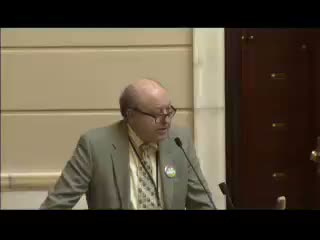
Supporters, led in debate by Senator Wilder, said the bill would appropriate $75,000 from the general fund to make resources available to school districts that opt in. "This would not teach kids to be afraid of guns," Senator Wilder said, arguing the program "would teach them to respect a gun and assume that it's loaded, and it could be harmful if it was pointed at somebody." He said funds could pay for a video or bring in an expert for live training and that materials could be watched at home.
The sponsor framed the measure as a pilot designed to help districts that lack funds to run existing programs. He cited an anecdote about a lost police firearm discovered near a junior high as part of the rationale for reaching students before they encounter unsecured guns.
Opponents and questioners raised fiscal and curricular concerns. Senator Jenkins asked why the appropriation would come from the general fund rather than education accounts, noting pressure on the state’s general revenues. Senators also pressed whether districts would be able to alter curriculum; the sponsor said program criteria likely would be set through a request-for-proposals process and that participation would be optional for districts and families.
Senator Feilmore asked whether anything currently prevented districts from offering such classes; the sponsor said no statutory prohibition exists but that lack of dedicated funding has kept programs from developing at scale.
During debate, Senator DeBackus, citing input from a 13-year-old named Asa who supported the measure, said he would vote for the bill. The Senate clerk conducted a roll call and the chair announced a tally for the third-reading motion as reported in the transcript (see votes at a glance in the companion roundup). The chair ordered the bill to be read for a third time.
The bill’s appropriation—$75,000 from the general fund—was described by the sponsor as seed funding to be allocated on a first-come, first-served basis to districts that apply. The bill, as presented, would make participation discretionary for districts and parents; it would not mandate instruction for all students.
Next steps: Senate Bill 43 was ordered to third reading and will appear on the third-reading calendar for further consideration.