Get Full Government Meeting Transcripts, Videos, & Alerts Forever!
Get email alerts on the Education Funding topic
No spam. Unsubscribe anytime.
Senate debates bill to make charter-school funding follow students; measure moves to third reading
Summary
Senators debated Senate Bill 38, a bill implementing task force recommendations to equalize local replacement funding so that 25% of local levies follow charter students. Lawmakers clashed over local levy impacts and fiscal outliers; the Senate sent SB 38 to a third reading after a roll call.
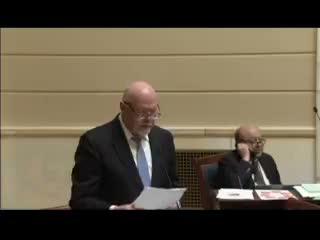
Senators spent extensive floor time debating Senate Bill 38, a funding measure that would change how local replacement money follows charter-school students. Sponsor Senator Stevenson said the bill applies task force findings to address inequities in how local replacement funds were distributed and that 25% of local recreation levies should "follow the student" to charter schools to ensure equal treatment.
Opponents warned the change reaches into local voted levies and could force some districts to raise rates or face shortfalls. Senator Jackson cited Alpine School District estimates that a proposal change could create a shortfall — earlier reported at $800,000 and later at $275,000 — and asked whether districts could simply raise levies to compensate. Sponsor Stevenson pointed to legislative fiscal analyst charts and state equalization efforts, arguing that statewide equalization offsets many district losses.
Other senators framed the debate as a choice between equalizing per-student funding and preserving locally authorized levies for community projects such as pools and recreation facilities. One senator cited an example where a small district could lose about $64,000 reassigned under the proposal and said the bill created "outliers" that required careful fiscal review. Supporters argued the bill funds students rather than institutions and corrects systemic inequities the task force uncovered.
On procedure, the Senate granted a motion to uncircle the bill and later held a roll call; the clerk recorded the tally and stated that "Senate Bill 38, having received 18 nay votes, 11 nay votes, 0 being absent," and directed that the bill be read for a third time (transcript language as read on the floor).