Get Full Government Meeting Transcripts, Videos, & Alerts Forever!
Get email alerts on the Public Lands And Defense topic
No spam. Unsubscribe anytime.
Visiting congressman tells Utah Senate local management, more military funding needed; defends public‑lands plan
Summary
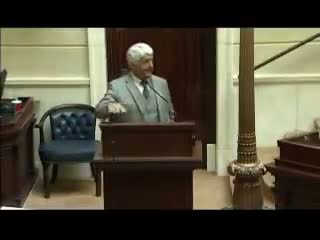
A visiting U.S. congressman addressed the Utah Senate, urging bipartisan action to rebuild the military and arguing local/state control — not selling public lands — should play a larger role in land-management decisions. He defended a public‑lands approach and criticized early negative ads that mischaracterized his bill.
A visiting U.S. congressman addressed the Utah State Senate, arguing that bipartisan action is needed to rebuild the U.S. military and urging more investment in personnel and maintenance that support bases such as Hill Air Force Base. The congressman said the services are ‘‘the smallest they have ever been’’ in several respects and warned that shortages of aircraft maintainers threaten readiness and local economic benefits tied to the base.
The congressman also addressed public‑lands policy, saying, “Utah is a public land state and it will always be that way,” and stressing the debate is about who manages those lands rather than selling them. He described several policy goals he favors: conserving areas worthy of protection, guaranteeing outdoor recreation, enabling economic development to support schools, and bringing ‘‘an element of certainty’’ to reduce repeated conflicts over land use. He identified the Public Land Initiative (PLI) as one pathway among others for transferring some management responsibilities to state and local authorities.
Responding to a question about public relations and negative advertising, the congressman said he was offended by an ad that suggested he was ‘‘trying to sell off the land,’’ and described the image used as misleading. He told senators the goal of his proposals was ‘‘not about selling land’’ but about ‘‘who gets to have a say in the decision’’ and encouraged using legal and political avenues available to the state.
Senators thanked the visiting congressman for appearing and asked follow‑up questions about messaging and overlaps with state work; the congressman said he supported Utah’s efforts and would be ‘‘supportive of anything you want to try and do.’’ The visit concluded and the Senate returned to its legislative calendar.