Get Full Government Meeting Transcripts, Videos, & Alerts Forever!
Get email alerts on the Privacy Doxing topic
No spam. Unsubscribe anytime.
Utah Senate narrows draft 'doxing' ban after floor debate over privacy and free-speech scope
Summary
Senators debated amendments to a proposed doxing prohibition (referred to in the transcript as Senate Bill 227) after several lawmakers warned language could criminalize posting of information from private online groups. Sponsors agreed to strike telephone numbers and clarify that liability requires stolen data plus intent to harm. The amended bill later passed on the floor.
Senators debated an amended bill aimed at expanding criminal liability for those who disseminate stolen personal information, with several lawmakers warning that the draft language could sweep too broadly into ordinary online behavior.
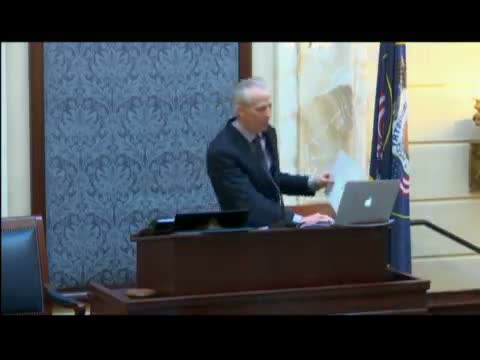
Sponsor Jay Stevenson, identified on the floor as the bill’s author, told colleagues the measure is designed to hold accountable people who obtain and then disseminate another person’s private identifying information with the intent that others will further disseminate it and cause harm. “The intent to harm” language, Stevenson said, narrows the bill’s application to deliberate wrongdoing and is intended to protect innocent behavior.
Opponents, including Senators Tabakas and Henderson, argued during floor debate that the bill’s definitions—covering items such as computer images, screen names, and telephone numbers—could criminalize reposts from closed online groups or other nonpublic forums. Senator Tabakas pressed the sponsor on whether posting material from a closed Facebook group could be treated as theft under the bill, calling the issue a First Amendment concern. Senator Henderson voiced particular concern about the breadth of items listed and how ordinary citizens could know whether information was “stolen.”
In response, the sponsor moved a targeted change to remove telephone numbers from the list of specifically protected items (a motion to strike “line 64, telephone number” from the bill’s draft). Senators also agreed to clearer limiting language emphasizing that only information taken without permission and posted with an intent to harm would fall under prosecution. Supporters repeatedly said the goal is to reach malicious actors who would weaponize stolen personal data, not ordinary users or publishers of publicly available material.
Floor action incorporated the amendment-scale changes and the bill’s revised text was placed before the chamber; subsequent procedural votes in the session record show the amended doxing measure receiving floor approval to advance.
The transcript shows the debate centered on balancing protections for victims of malicious information-sharing with constitutional free-speech protections and practical questions about enforcement and scope. Sponsors and several supporters urged additional stakeholder review and potential housekeeping refinements in subsequent committee or House consideration.
The next procedural step recorded in the transcript is the bill’s formal passage across the floor to be transmitted to the House for further action.