Get Full Government Meeting Transcripts, Videos, & Alerts Forever!
Get email alerts on the Labor Noncompete topic
No spam. Unsubscribe anytime.
Senate Approves Narrow Non‑Compete Limits for Broadcasting Industry
Summary
The Senate passed a second substitute to House Bill 241, limiting enforceable non‑compete clauses in broadcasting to narrow circumstances (one‑year restriction, employees over a salary threshold and only in narrow termination/quit contexts).
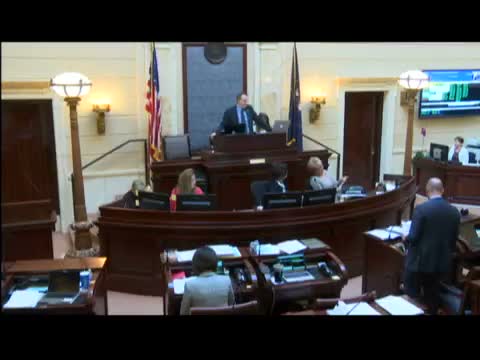
The Utah Senate on March 5 approved a narrowly targeted restriction on non‑compete agreements in the broadcasting industry.
Senator Hemmert presented the second substitute to House Bill 241, which the sponsor described as a measured change limited to employers defined as broadcasters (television, cable and radio distributors of electronic signals). Under the substitute, a one‑year non‑compete may be enforced only when an employee who makes above the statutory threshold (the bill cites a salary floor) quits or is fired for cause; if the employer declines to renew a contract or fires an employee not for cause, the non‑compete cannot be enforced.
Proponents said the measure protects journalists and broadcasting staff from being “held hostage” by employers’ restrictive contracts while preserving employers’ rights in other circumstances. Opponents warned about market and constitutional questions and argued the reform might be a narrow solution where broader non‑compete reform could be appropriate.
After extended floor discussion, the Senate passed the substitute under suspension of the rules; the clerk recorded the final tally as reported on the floor.
What to watch: Sponsors said the text mirrors restrictions passed in other states for broadcasting and was designed to balance worker mobility with protection of employer investments.