Get Full Government Meeting Transcripts, Videos, & Alerts Forever!
Get email alerts on the Unclaimed Property topic
No spam. Unsubscribe anytime.
Senate debate focuses on unclaimed property reforms, data protection and outreach
Summary
Lawmakers debated amendments to Utah's unclaimed property statute that would modernize reporting, add encryption for personal data, define virtual currency and remove certain mandatory distribution triggers for retirement plans; sponsors said the changes followed stakeholder negotiations and recommended further interim study on life-insurer obligations.
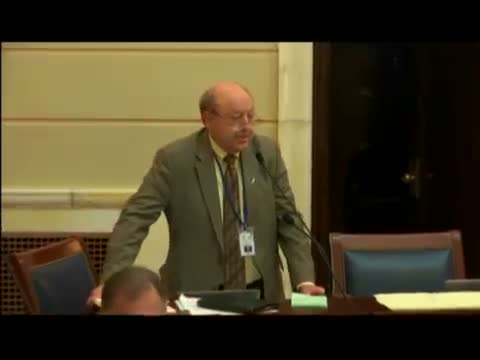
A Senate sponsor presented a package of amendments to Utah's unclaimed property law that lawmakers said would modernize a statute originating in 1981 and increase the state's ability to return dormant assets to their owners.
The sponsor (identified in the transcript only as the presenting senator) told colleagues that the bill updates reporting standards, requires the unclaimed property division to encrypt certain personal information reported by holders, defines virtual currency explicitly for the first time in Utah's statute, and adjusts abandonment-commencement and reporting criteria for tax-deferred plans and Roth IRAs. The sponsor also offered an amendment negotiated with the securities industry to address uniformity concerns and said that negotiated language satisfied representatives of broker-dealer firms.
Why it matters: State unclaimed-property programs are a primary channel for returning dormant funds to owners or heirs. The sponsor cited the state's My Cash website and the life-insurance death registry as tools that have helped Utah residents recover funds; senators and a county treasurer described constituent successes in finding small amounts of money.
Key claims and clarification: The sponsor said major life insurers "usually pay out about 90% of the claims" and that insurers discovered and returned more than $4 million to Utah residents via registry searches. The sponsor acknowledged smaller insurance companies may not be able to perform extensive retroactive searches for pre-2015 policies and said current law would remain in place for those older policies; the sponsor proposed interim study to evaluate whether wider retroactivity should be required.
Next steps: The floor called the question on the first substitute and proceeded toward a roll-call; sponsors asked the judiciary interim and stakeholders to continue study and needle in proposed changes in the interim if broader change is desired.