Get Full Government Meeting Transcripts, Videos, & Alerts Forever!
Get email alerts on the Cybersecurity topic
No spam. Unsubscribe anytime.
Senate narrows and fast-tracks cyber-exploitation bill aimed at ‘sextortion’ of minors
Summary
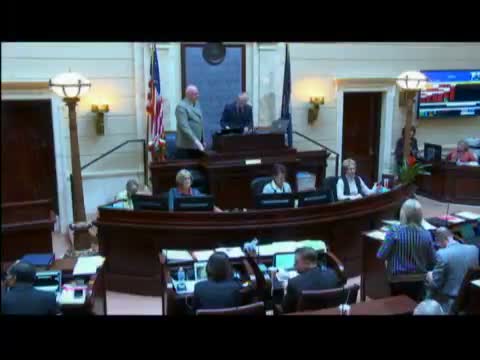
The Utah Senate on Feb. 24 adopted an amendment narrowing Senate Bill 232 to apply to exploitation of persons under 18, suspended rules to advance the measure and passed it in a roll-call vote after sponsors cited rapid increases in sextortion reports.
Senator Bramble introduced Senate Bill 232 on cyber exploitation and moved an amendment that limits the bill’s application to the exploitation and extortion of persons under 18, saying the change was requested during committee review.
“Cyber exploitation is all about extortion of minors and clarifying that that's a criminal act in Utah,” the floor sponsor said, describing the amendment and noting an advocacy letter from the Utah Coalition Against Sexual Assault. The sponsor cited data from the National Center for Missing and Exploited Children showing rapidly rising reports and said federal partners including the FBI had urged states to act.
The Senate recognized Emily Patterson, identified on the floor as a volunteer advocate who had traveled to the Capitol to support the legislation. Senators discussed the difference between consensual sexting among peers and coercive extortion; sponsors said the bill targets the latter and avoids criminalizing typical adolescent behavior.
Given the fiscal note and the urgency the sponsor described, the majority moved to suspend the Senate’s three-reading rule and other rules necessary to take the bill up immediately. The Senate approved suspension of rules and later passed the amended bill by roll-call vote.
Senators supporting the measure said it fills a gap in statutory protections against coercive online extortion, while supporters acknowledged the need to preserve proportionate outcomes for teens engaged in non-coercive behavior. The sponsor said the fiscal note would be revised downward during the legislative process and pledged to work with stakeholders on technical language.
The chamber recorded the vote after the suspension and ordered the measure sent on for further consideration under the amended text.