Get Full Government Meeting Transcripts, Videos, & Alerts Forever!
Get email alerts on the Elections topic
No spam. Unsubscribe anytime.
Senate adopts amendment aiming to limit polling wait times to 30 minutes; county reporting triggers local plans
Summary
Lawmakers amended election‑code language to set a goal that no voter should wait more than 30 minutes; if a county experiences waits longer than 30 minutes, its clerk would be required to submit a written line‑management plan to the lieutenant governor’s elections office.
Senators amended election‑code provisions to try to prevent long Election Day lines after the prior year’s problems in Salt Lake County. The floor debate centered on operational causes of lengthy waits, county flexibility and the lieutenant governor’s role.
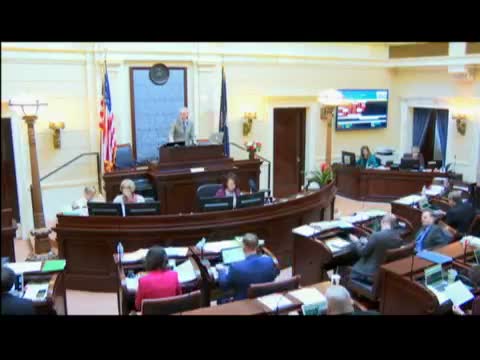
Senator Thatcher and Senator Weiler worked on a compromise Amendment 1, which establishes a goal that no voter should wait more than 30 minutes. Under the adopted language, a county clerk would be required to submit a line‑management plan to the lieutenant governor’s elections office only if that county experiences wait times in excess of the 30‑minute standard. That design was intended to avoid imposing extra paperwork on counties that did not have problems while ensuring formal review where significant crowding or delays occur.
On the floor, senators referenced the November election in Salt Lake County where reduced and unevenly distributed polling locations led to prolonged waits; members also discussed existing statute requiring 14 days’ notice to add or change a polling place and noted efforts elsewhere in the session to relax timing rules for emergency additions. Senators asked procedural questions about how a county could add a polling location on election day and whether state statute or administrative rules would limit such actions.
The amendment was adopted and the amended bill passed the Senate; sponsors asked the lieutenant governor’s office to be involved in any required approvals and planned follow‑up to ensure clarity in the process.
What to watch next: implementation details — in particular how counties measure and document wait times, and whether the lieutenant governor’s office issues guidance on review timelines and criteria.