Get Full Government Meeting Transcripts, Videos, & Alerts Forever!
Utah Senate Approves Helmet Requirement for 18–20-Year-Old Motorcyclists
Summary
After extended debate that split members over safety and personal liberty, the Utah Senate approved Senate Bill 159, requiring motorcyclists aged 18–20 to wear helmets; roll call recorded 18 yeas, 10 nays and 1 absence. Supporters cited trauma data and lifetime safety habits; opponents called it legislative overreach.
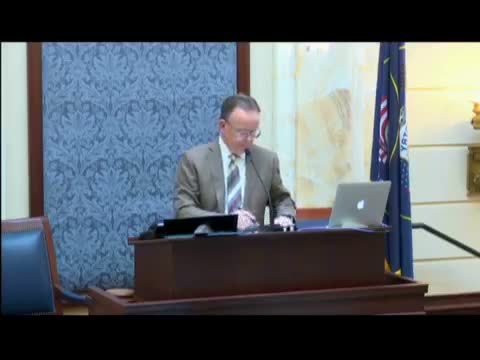
Senator Shiozawa moved the third reading of Senate Bill 159, a measure that would require motorcycle riders between the ages of 18 and 20 to wear helmets while operating a motorcycle. Supporters argued the requirement targets a high-risk age group and can prevent severe head injuries and deaths.
The sponsor and medical supporters cited trauma-center experience and statistics, arguing that…
Already have an account? Log in
Subscribe to keep reading
Unlock the rest of this article — and every article on Citizen Portal.
- Unlimited articles
- AI-powered breakdowns of topics, speakers, decisions, and budgets
- Instant alerts when your location has a new meeting
- Follow topics and more locations
- 1,000 AI Insights / month, plus AI Chat