Get Full Government Meeting Transcripts, Videos, & Alerts Forever!
Get email alerts on the Occupational Regulation topic
No spam. Unsubscribe anytime.
Senate advances bill clarifying brief, post‑haircut massages by barbers after debate over time limits
Summary
Senate bill SB172 clarifies that barbers may provide a brief, gentle head/neck/back massage after a haircut. Senators debated and defeated a proposed two‑minute cap, ultimately striking the time limit and advancing the amended bill to third reading.
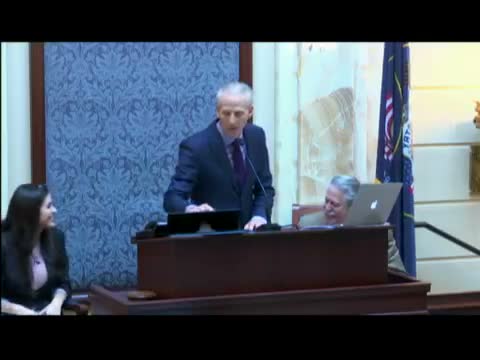
The Utah Senate moved SB172 forward after an extended, sometimes jocular debate about how to define and enforce a brief massage that barbers provide after haircuts.
Sponsor Senator Weiler described the bill as a narrow deregulatory clarification: barbers historically have offered short, gentle neck and shoulder massages after haircuts, and the bill would codify that practice while excluding deeper therapeutic techniques. He offered an amendment that would limit the massage to two minutes and require the motion be explicit about duration and gentle intensity.
Colleagues pushed back on the enforceability and utility of a strict time limit. Senator Bramble and others argued the limit was unnecessary and self‑limiting given barbering’s high turnover of customers; Senator Anderegg and others said no one would realistically enforce a two‑minute cap with a stopwatch. Motions to substitute other time limits (3, 5, 10 minutes) were discussed; a substitute motion to strike the explicit time reference succeeded. The sponsor said the amendment served as a signal of intent and helped reach compromise with licensed massage therapists but accepted the body’s decision to remove the fixed time cap.
The Senate placed the amended SB172 on the third‑reading calendar (vote announced: 27 ayes, 0 nays, 2 absent). Sponsors said the bill is intended to preserve a decades‑old barbering practice while preventing barbers from performing deep‑tissue therapy for which they are not trained.
Why it matters: the debate exposed tensions between occupational licensing boundaries and routine consumer services. Supporters called the change modest and practical; critics said it highlights broader inconsistencies in licensing regimes and enforcement.
The bill will next appear on the Senate’s third‑reading calendar.