Get Full Government Meeting Transcripts, Videos, & Alerts Forever!
Get email alerts on the Digital Assets Fiduciary topic
No spam. Unsubscribe anytime.
Senate advances bill setting rules for fiduciary access to digital accounts; sponsor says social-media content remains private without consent
Summary
A measure to create fiduciary access to certain digital assets after death passed the Senate; sponsors said bank and cloud-stored files can be accessed by a fiduciary, but email, texts and social-media content require express consent in a will or other record.
The Utah Senate moved first substitute House Bill 13 closer to enactment on Jan. 27 after floor debate over what is accessible to a fiduciary and how missing-persons cases should be handled.
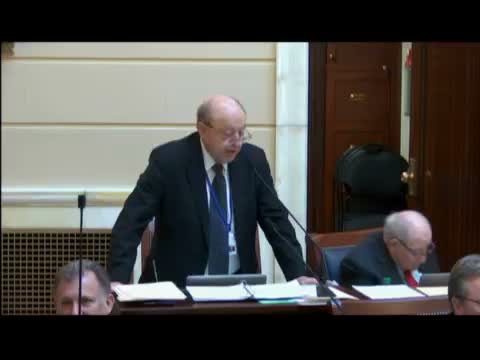
Senator Hilliard, the bill’s floor sponsor, told senators the measure creates a framework for a fiduciary to manage digital property such as cloud files and virtual currency after a user’s death but preserves privacy for communications: “You cannot access ... email, text messages, and social media accounts unless the original account holder expressly consents to the disclosure, either in a will, a trust, power of attorney, or other such record,” he said.
Senators questioned how the bill would operate for missing people and in cases where there is no death certificate. One senator described using social-media access in a search for a missing relative and asked whether a missing-persons report or other threshold would be required for access. Hilliard said the contractual terms with the service provider and provisions in the bill would govern and promised to provide clearer answers by the next day’s session.
The floor also discussed fiscal and implementation details: the sponsor noted a per-release fiscal note figure for testing in a different bill context but framed HB13 largely as creating legal clarity for modern digital fiduciary issues.
Outcome: After floor discussion and clarification from the sponsor, the measure was read for a third time following a roll-call vote; the clerk recorded the tally as 29 yeas, 0 nays and the bill was advanced toward final reading.