Get Full Government Meeting Transcripts, Videos, & Alerts Forever!
Get email alerts on the Appointments Boards Commissions topic
No spam. Unsubscribe anytime.
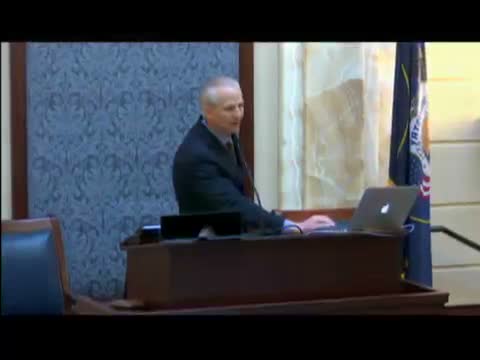
Senate approves bill to remove partisan consideration for 28 appointed boards after hour-long debate
Summary
The Utah Senate voted to allow the governor and Senate to stop considering political party when appointing members to 28 statutory boards and commissions. Supporters said the change will broaden the candidate pool; opponents warned it could erode intentionally designed diversity of viewpoints.
The Utah Senate on Jan. 27 approved a second-substitute bill removing statutory restrictions that asked appointing authorities to consider political party membership for 28 state boards and commissions.
Senator Dayton, floor sponsor, said the measure aims to expand the pool of qualified volunteers from all regions of the state and reduce logistical barriers to filling specialized boards: “When we talk about diversity, there is an urgent need to get people from other parts of the state,” he said, urging colleagues to prioritize expertise and geographic representation.
Opponents raised concerns that the change would undo previous, deliberate statutory diversity requirements and risk consolidating appointments among a politically like-minded set of appointees. Senator Hilliard told the chamber that many constituents want protections that preserve a balance of viewpoints on key commissions, calling for caution before removing such language.
Senator Weiler, one of the bill’s supporters, countered that the bill requires the governor and Senate to focus on qualifications, not party labels. “The proposed language is the governor and the senate may not consider or seek to discover the political affiliation of a person when considering a person’s appointment,” he said.
After extended floor debate that included questions on vacancy rates and recruiting challenges in rural counties, the chamber moved to a recorded vote. The clerk announced the result as 21 yeas, 7 nays and 1 absent; the bill was ordered to be read for a third time.
What happens next: the bill will proceed through the final reading process and, if enacted, will remove party-affiliation considerations for the named boards and commissions listed in statute, allowing governors and the Senate to prioritize qualifications and availability when filling volunteer positions.