Get Full Government Meeting Transcripts, Videos, & Alerts Forever!
Get email alerts on the Fix It Ticket topic
No spam. Unsubscribe anytime.
Senate passes substitute bill to formalize 'fix‑it' ticket practice and limit fee waivers
Summary
The Utah Senate passed substitute Senate Bill 90, clarifying a 'fix‑it' ticket process that waives certain fees if defects are fixed within two weeks and adding language to prevent waiver of unrelated fines; the floor vote recorded 24 yeas and 3 nays.
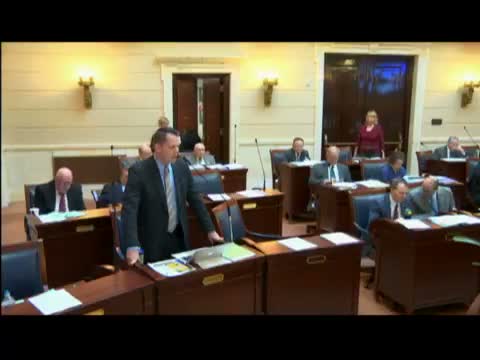
SALT LAKE CITY — The Utah Senate approved a substitute version of Senate Bill 90 on the floor after sponsor remarks clarified the statute would formalize existing "fix‑it" citation practice and incorporate language requested by law enforcement.
The sponsor explained that SSB90 allows officers to issue citations for equipment or registration problems and provides that, if the defect is corrected within two weeks, the fee for that violation can be waived. The substitute adds language to ensure that fees for unrelated infractions (for example, expired registration beyond a capped window or moving violations) are not waived inadvertently. The sponsor emphasized public-safety intent and said the change was not intended as a revenue measure.
Senators asked about a fiscal note and the sponsor said his understanding was the substitute did not change the original fiscal estimate. Members also sought assurance that safety inspections and other enforcement requirements remain intact; the sponsor said the bill does not eliminate inspection requirements.
A roll call on the motion to read the substitute for third reading recorded 24 yeas, 3 nays and 2 absences; the clerk reported the substitute had the necessary support to advance.
The floor record shows incorporation of law enforcement clarifications into the substitute; no amendments altering the core two‑week cure language were adopted on the floor.