Get Full Government Meeting Transcripts, Videos, & Alerts Forever!
Get email alerts on the Session Votes topic
No spam. Unsubscribe anytime.
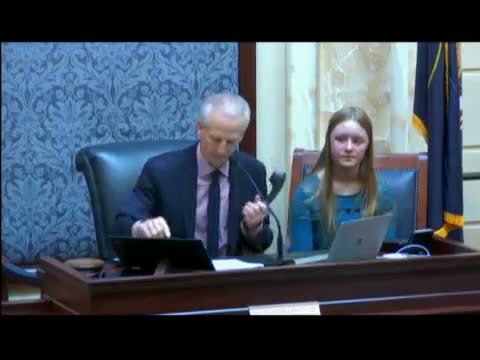
Votes at a glance: key Senate floor actions from day 8
Summary
On day 8 the Senate adopted committee reports and passed several bills and a concurrent resolution; listed are key outcomes, roll-call tallies where available, and next steps.
The Utah Senate took multiple formal actions during the session reported in the transcript. Below are key items, their floor outcomes and next steps.
• State Concurrent Resolution 2 (air ambulance billing): Sponsor Senator Harper moved the resolution and the Senate adopted it by roll call; the resolution was ordered to the House for consideration.
• Senate Bill 49 (Minimum School Program purpose update): Sponsor Senator Fillmore moved the bill; motions carried and the bill was ordered to the House for consideration (consent/third‑reading action recorded on the floor).
• Senate Bill 35 (Veterans Tuition Gap Act amendments): Passed on roll call (26 yea, 0 nay, 3 absent); to be sent to the House.
• Senate Bill 48 (Nurse Licensure Compact amendments): Passed on roll call (27 yea, 0 nay, 2 absent); to be sent to the House.
• First substitute, Senate Bill 60 (school district amendments): The Senate approved a first substitute (vote recorded as 27 yea, 2 nay) and placed the bill on the calendar for further consideration.
• First substitute, Senate Bill 62 (workers' compensation housekeeping and motor‑carrier clarifications): The Senate approved the first substitute and moved it to third reading (roll call recorded 29 yea votes).
• Senate Bill 53 (lis pendens/mechanics lien cleanup): Passed on roll call (29 yea, 0 nay) and readied for third reading.
Ending: These bills and resolutions either passed the Senate floor or were moved to further reading; most were scheduled to be transmitted to the House or placed on the third‑reading calendar for final action.