Get Full Government Meeting Transcripts, Videos, & Alerts Forever!
Get email alerts on the Insurance Tax topic
No spam. Unsubscribe anytime.
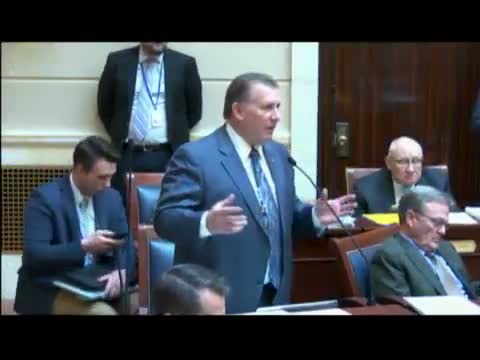
Utah Senate pauses on insurance-premium earmark; moves SB30 to third reading amid negotiations
Summary
Senators debated Senate Bill 30, which would change how an insurance-premium tax earmark for fire services is handled after insurers altered reporting. Lawmakers suspended fiscal-note rules, read the bill for a third time and signaled further negotiation on whether to keep the statutory earmark or move funding to the budget process.
The Utah Senate on Day 2 pressed ahead with debate over Senate Bill 30, an insurance-premium tax amendment that lawmakers say is intended to address shifts in how insurers report premiums that have disrupted a statutory earmark for fire-service funding.
Senator Bramble, sponsor of the committee bill, said insurers’ software changes nationwide have altered how the Tax Commission must allocate reported premiums and that the change has materially affected the earmarked share that supports fire services. He described two paths: keep a statutory earmark or remove the earmark and fund fire services through the annual budget process.
Senator Davis asked for procedural clarification about moving SB30 to third reading and substituting language later with an amended fiscal note. Bramble said the governor and fire stakeholders are working on an alternative and that a substitute or amendment could be offered on third reading to restore funding or move to a budgetary approach.
Because the required fiscal note was not yet available, members voted to suspend the rules related to fiscal-note timing so the bill could be moved to third reading and be substituted later if parties reach agreement. The motion to suspend the rule passed by voice vote, and the Senate then voted to read SB30 for a third time (roll call recorded as 26 yea, 0 nay, 3 absent).
The Senate did not record a final passage tally for a substitute or final version of SB30 in the transcript provided; senators indicated they planned continued negotiation among the governor’s office, fire stakeholders and committee members before proceeding.
What happens next: SB30 was read for a third time and remains subject to substitution or amendment; sponsors and the governor’s office signaled they are working on a compromise that could change how funding for fire services is allocated.