Get Full Government Meeting Transcripts, Videos, & Alerts Forever!
Get email alerts on the Medicaid Expansion topic
No spam. Unsubscribe anytime.
Senate approves Utah-plan Medicaid expansion after floor debate over scope and federal waivers
Summary
After hours of floor debate over who would be eligible, federal waiver risks and work requirements, the Utah Senate passed House Bill 4 72 — a state-designed Medicaid expansion plan the sponsor says would enroll roughly 72,300 people if federal waivers are granted. Opponents warned of fiscal risk if federal match terms change.
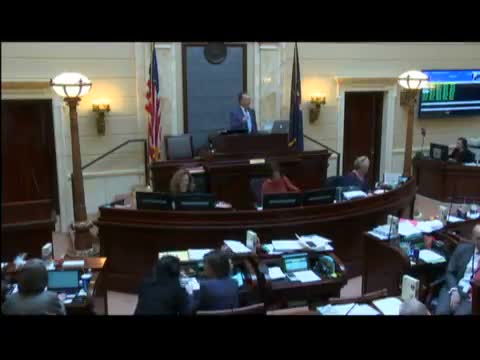
SALT LAKE CITY — The Utah Senate voted to pass House Bill 4 72 on the floor after an extended debate that centered on whether the proposal is a prudent, fiscally responsible way to extend health coverage to people in the state’s so-called coverage gap.
Senator Sandra Zender, the bill sponsor, described the measure as a “Utah solution” that would expand coverage for low-income adults by seeking federal waivers that, if approved, would let the state draw a higher federal match and use existing funding streams rather than ask the Legislature to appropriate new state dollars. Zender said the administration estimates about 72,300 new enrollees under the plan and that the bill contains cost controls, work requirements and sunset provisions if federal terms change.
Opponents questioned which populations would be added and who would remain uncovered. Senator Jim Davis and Senator Jim Dabakis pressed the sponsor for specifics about income thresholds and how many people would be left without coverage; Zender and other supporters said the bill targets adults in the coverage gap — generally adults who earn too much to qualify for traditional Medicaid but too little to afford coverage on the individual exchange — and that the measure prioritizes fiscal guardrails and a limited, phased approach.
Several senators warned that the federal match and waiver process are uncertain. Senator Hilliard and others said past efforts to secure special federal terms for states have failed and warned that relying on a high federal match rate could expose Utah to future state costs if the match is reduced. Supporters countered that the bill includes a glide-path and sunset triggers so the program would not automatically expand state obligations without legislative assent.
An amendment offered on the floor would serve as a standby: if Congress or the federal agency does not approve the waiver package, the amendment would allow a different, state-funded pathway to cover more people at a later date — a contingency the sponsor said helped secure support from senators who wanted more protections.
The Senate announced the result on the floor: House Bill 4 72 passed the Senate with 20 yeas, 8 nays and 1 absent and was returned to the House for further action. The sponsor and departmental staff said the bill proceeds only if the Administration secures the waiver terms acceptable to state leadership.
What’s next: The bill will return to the House for further consideration and, if all approvals are obtained, the state will submit waiver applications to the Centers for Medicare & Medicaid Services. The Senate debate made clear that future implementation will hinge on federal approvals and that the Legislature retains authority to accept or reject final waiver terms.