Get Full Government Meeting Transcripts, Videos, & Alerts Forever!
Get email alerts on the Transportation Governance SB136 topic
No spam. Unsubscribe anytime.
Senate approves transportation governance changes after compromise on funding and naming
Summary
Senate passed substitute Senate Bill 136 on transportation governance following debate over fees, authority naming and funding; sponsor said controversial fee increases were removed and the bill includes task-force continuation and targeted funding adjustments.
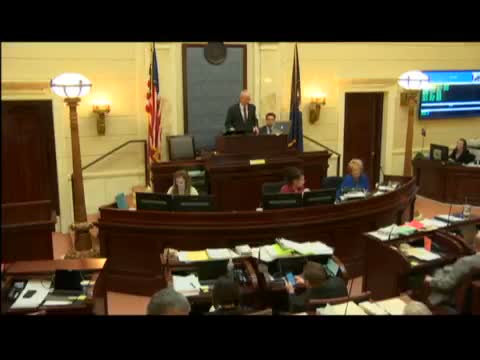
The Utah Senate on March 7 passed a conference-substitute version of Senate Bill 136, a transportation governance package that sponsors described as a compromise intended to resolve several contentious issues.
Senator Harper, presenting the conference report, said the bill "resolved the issue of Salt Lake County," continued a task force and put modest funding into a transit dedicated account. He emphasized that earlier proposals (for example, an $85 million fee increase and a quarter-cent sales-tax measure) were not part of the current substitute.
Senator Ward and other senators questioned whether components such as an $85 million or $50 million figure and a name change to a transit authority were still part of the bill; the sponsor and other senators responded that those elements had been removed or were not in the adopted substitute. Senator Andrade called a $50 million claim a "red herring," saying the cost tied to a name-change claim was a scare tactic; the sponsor and others clarified that repainting or renaming rolling stock would only be part of later procurement and not an immediate $50 million outlay.
A roll call followed and the clerk recorded the bill’s passage; the presiding officer announced the measure received a majority and would be sent to the House for the speaker’s signature.