Get Full Government Meeting Transcripts, Videos, & Alerts Forever!
Get email alerts on the Education Funding topic
No spam. Unsubscribe anytime.
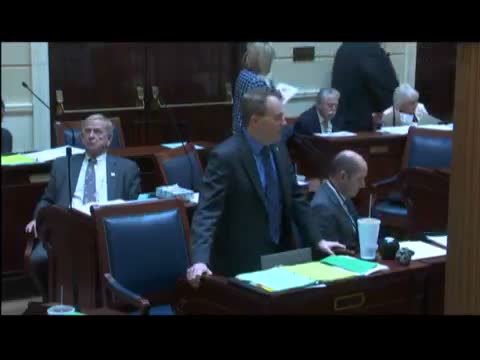
Utah Senate advances school‑funding equalization bill after hours of debate
Summary
Senate Bill 145, a multi‑part education funding proposal that increases at‑risk funding and changes how growth revenue is distributed, was advanced for third reading after extended floor debate about tradeoffs with the weighted pupil unit and property tax capacity.
Senate Bill 145, a broad proposal to move state education funding toward greater equalization, advanced on the Utah Senate floor after more than an hour of debate on the bill’s funding approach and local impacts.
Senator Fillmore, the bill’s floor sponsor, told colleagues the bill seeks to ‘‘recognize the fact that your ZIP code should not determine the value of your education’’ and outlined provisions that would add $15 million to the at‑risk enhancement, broaden the at‑risk definition to include homelessness and transiency, increase transportation match funding and provide targeted help for small rural schools. ‘‘This proposal seeks to grow education funding a little bit faster for those school districts that are current losers in the system,’’ Fillmore said as he urged colleagues to move the bill forward.
Supporters said the measure responds to longstanding disparities between districts that benefit from high commercial or second‑home tax bases and districts with lower property wealth. Senator Warner called the bill “a well‑crafted, multi‑year effort that addresses a real need,” while others argued it would help students in districts with high poverty and transient populations.
Opponents and cautious colleagues focused on where the money would come from. Senators on the floor repeatedly raised the tradeoff between taking growth dollars for equalization and maintaining the weighted pupil unit (WPU) baseline. Senator Hilliard and others noted local school districts retain the authority to raise property levies and urged attention to affordability and local decisions. Senator Weiler warned the forced equalization could reduce funding for specific districts if the funding source reduces WPU increases, citing Salt Lake City School District’s high share of students in poverty and English‑learner populations. ‘‘I am concerned that the forced equalization would actually take money away from this district,’’ Weiler said during questioning.
Senators pressed how much new revenue would be needed to fully address the gaps. Fillmore and supporters said the bill was designed as a multi‑year step, not a full solution, and that other tax or revenue proposals in the legislature might be paired with it. Fillmore said the plan would not take existing local dollars away from districts but would distribute a portion of growth differently to raise funding for lower‑resourced districts.
After extended back‑and‑forth on budget priorities and potential unintended effects, the sponsor moved the bill to third reading. The roll‑call result recorded on the floor showed the first substitute of Senate Bill 145 had received 20 yea votes, 6 nay votes and 3 members absent; the presiding officer directed the result be recorded for the legislative record.
The bill will continue through the legislative process with further consideration in its next scheduled reading; supporters said further technical adjustments and fiscal‑source decisions could follow as the legislature reconciles budget choices.