Get Full Government Meeting Transcripts, Videos, & Alerts Forever!
Get email alerts on the Transportation Funding topic
No spam. Unsubscribe anytime.
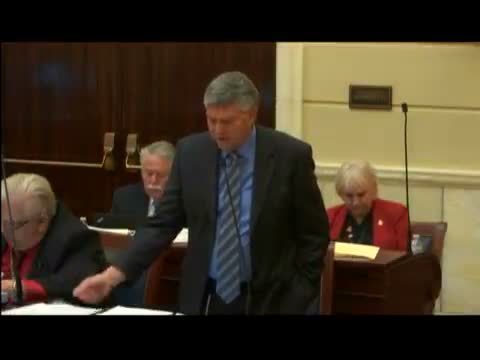
Senate floor debates sweeping transportation governance bill that would redirect funding to transit
Summary
Senators debated a broad substitute to SB136 that rewrites transportation governance, creates a Transportation Investment Fund and proposes a $28-per-vehicle registration fee to generate roughly $85 million annually for transit. The proposal drew sustained floor debate over regional equity, taxation, and local priorities and remains under negotiation.
A major floor debate focused on a broad third substitute to SB136, a transportation governance and funding package that would restructure decision-making and create a Transportation Investment Fund aimed at increasing transit funding statewide.
Sponsor Senator Harper described the bill as a long-term vision for statewide mobility, proposing governance changes for UTA and the Transportation Commission and funding mechanisms to support projects across urban and rural areas. The substitute removed an earlier proposed 0.15% statewide sales-tax increase and instead included a $28 per-vehicle registration fee intended to raise about $85 million annually for transit and related scoring/prioritization processes. The bill also proposes modified fees for electric and plug-in vehicles and local option allocations for counties.
Floor debate ranged widely. Senators raised concerns about regional equity (whether Cache Valley and other non-Wasatch Front regions would benefit), the State’s exposure to UTA bond obligations, salary levels for agency executives, and whether the package appropriately balances user fees and general-fund subsidies. Senator Dabakis offered a substitute that would have shifted funding burden to gasoline taxes and removed a $600 million general-fund subsidy; that substitute failed on the floor.
Senators also proposed adding affordability and housing-access metrics to project scoring; sponsor said some of those concerns were covered by the bill but indicated willingness to refine language. Multiple technical substitutes and amendments were considered during extended debate; the bill was moved forward procedurally but remains subject to further amendment and negotiation with the House.
What’s next: SB136 is on the third-reading calendar; sponsors said they plan continued floor negotiation and possible technical fixes to address regional concerns and scoring criteria before final passage.