Get Full Government Meeting Transcripts, Videos, & Alerts Forever!
Get email alerts on the Legislative Process topic
No spam. Unsubscribe anytime.
Senate restores and passes bill allowing legislative intervention in court cases with limit debate over tie-breaking votes
Summary
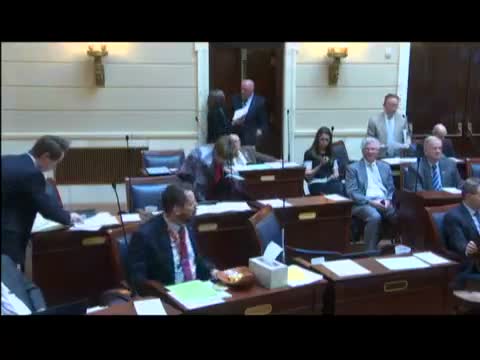
Senate members recalled and debated Senate Bill 171, which clarifies the Legislature’s authority to intervene in certain court actions; an amendment that would remove the presiding officers’ tie-breaking vote on litigation spending was offered and rejected, and SB171 passed on a roll call.
The Utah State Senate reconsidered and passed Senate Bill 171 on Day 30 after a motion to recall the bill and extended floor debate about the legislature’s role in litigation. The bill gives the Legislature a clearer ability to intervene in court actions when deemed appropriate and requires notification from the attorney general when claims implicate legislative interest.
Senator Davis offered amendment #3 to restrict the legislative-management tie-breaker in litigation decisions, arguing the amendment would remove partisan advantage when the Legislature approves spending on lawsuits. "My concern... is the fact that we also have a rule in the management committee that allows the president and the speaker to break all ties," Davis said, explaining the amendment would prevent those officers from casting an additional tie-breaking vote in litigation matters.
Senator Adams and other supporters of recalling the bill said the change would restore a stronger check in management decisions related to litigation spending; opponents said the modification was unnecessary because ties on management rarely occur and the tie-breaker has historically been used to keep processes moving. After amendment debate and a roll-call vote, SB171 passed and will be sent to the House.
The floor debate included a roll-call record read into the transcript and multiple senators explaining their votes. Passage was recorded and the bill will move to the House for consideration.