Get Full Government Meeting Transcripts, Videos, & Alerts Forever!
Get email alerts on the Criminal Justice topic
No spam. Unsubscribe anytime.
Senate passes substitute bill banning law-enforcement quotas with carve-outs for performance evaluation
Summary
First substitute S.B. 154 bars quota-based policing practices and adds language clarifying agencies may include community engagement and enforcement activities in overall performance evaluations; supporters said it prevents policing for profit, while opponents worried about unintended effects on targeted public-safety efforts.
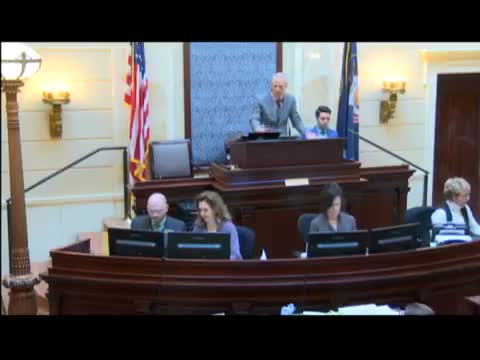
The Utah Senate passed the first substitute to Senate Bill 154 on the floor, a measure prohibiting law-enforcement quotas while clarifying that political subdivisions and agencies may still include an officer’s community engagement or enforcement activity as part of overall performance evaluations.
Sponsor Sen. Jerry Stevenson said the amendment addresses law-enforcement concerns while preserving the bill’s prohibition on policing for profit. "This does not prohibit a political subdivision or law enforcement agency from including a peace officer's engagement with the community or enforcement activity as part of an overall determination of the peace officer's performance," Stevenson said.
Opponents raised concerns that a statewide ban could preempt local control and curtail targeted enforcement in high-crash or high-crime areas. Sen. Ripps argued the measure "penalize[s] the entire state" for practices of a single department and risked overreach. Other senators countered that testimony in committee, including recordings and former officer statements, showed quotas had been applied in ways that pressured officers and could undermine fair policing.
The substitute passed on a recorded vote; the transcript shows the substitute received 23 yea votes, 2 nay votes and 4 absences. Sponsors said the language balances protections for officers from quota pressure while permitting data-driven evaluation and counseling.
Why it matters: Supporters framed the bill as protecting citizens from revenue-driven policing and preserving community trust in law enforcement. Opponents warned of unintended consequences for safety-focused enforcement and for state-local relations.
What comes next: The bill will be transmitted to the House for further consideration.