Get Full Government Meeting Transcripts, Videos, & Alerts Forever!
Get email alerts on the Abortion Policy topic
No spam. Unsubscribe anytime.
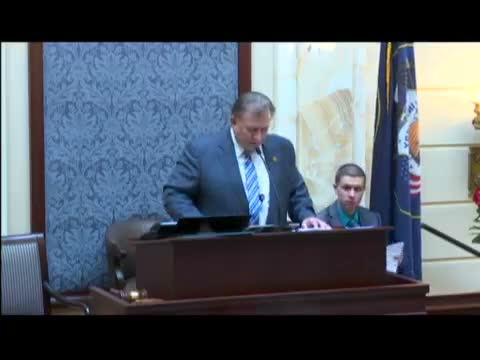
Senate moves to replace outdated abortion counseling video with an information module and enforcement provisions
Summary
First Substitute Senate Bill 118 would replace a decades‑old Department of Health video with an updateable information module, require clinics to ensure a patient viewed the module at least 72 hours before a procedure, and create an enforcement mechanism; sponsor said the change imposes no new requirements and preserves medical exceptions.
Senators considered First Substitute Senate Bill 118, which would modernize the Department of Health’s written/video counseling requirement by replacing an outdated 1980s video with an electronic information module that can be updated and reviewed by the Health and Human Services Interim Committee.
Sponsor Senator Weiler said the module is less expensive to produce than a new video and easier to update if the law changes. The bill would generally require a woman seeking an abortion to view the module at least 72 hours prior to the procedure, provide an option for printed information if the patient lacks internet access, and require the Department of Health to present updates to the interim committee for feedback.
The bill sets an enforcement mechanism: the floor record includes a provision creating a class A misdemeanor for clinic staff who falsely represent that a patient completed the module when they did not. Sponsor emphasized that existing medical‑emergency exceptions and affidavit processes would remain unchanged; physicians could file an affidavit to waive the waiting period when exigent circumstances apply.
Senators asked clarifying questions about how the module would be delivered in medical‑emergency situations, whether printed materials would be available for patients without internet access, and the bill’s effect on doctor‑patient interactions. The sponsor repeatedly stated the bill "imposes no new requirements on a woman seeking to have an abortion" and that the module would preserve current exceptions for medical emergencies.
The body voted on third reading; the recorded tally in the transcript shows the first substitute passed with 26 yay, 1 nay, 2 absent and was set to be read for a third time.
Next steps: the bill was advanced to third reading and will proceed through the legislative calendar; implementation will require the Department of Health to develop and maintain the module and to coordinate with the interim committee.