Get Full Government Meeting Transcripts, Videos, & Alerts Forever!
Get email alerts on the Licensure Reform topic
No spam. Unsubscribe anytime.
Senate lowers licensure barriers for private investigators, sparking privacy and safety objections
Summary
Senate Bill 129 would reduce experience thresholds and allow 18‑year‑old apprentices; supporters said the changes remove unnecessary barriers and align Utah with other states, while opponents warned of privacy risks from younger or less experienced investigators. The bill was advanced to third reading after floor debate and recorded votes.
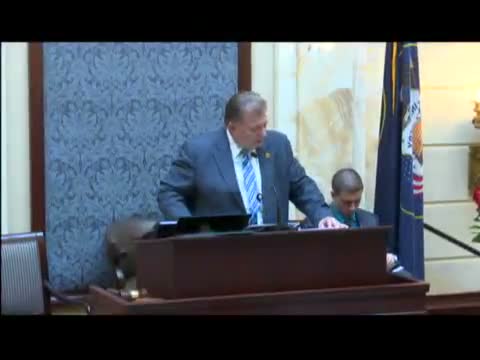
Senators debated Senate Bill 129, which would revise private investigator licensure requirements by lowering several thresholds: it reduces the experience requirement for agency‑level licensure from 10,000 hours to 5,000 hours, permits apprentices to begin at age 18 under supervision, and lowers other investigative‑experience minima.
Sponsor Senator Escamilla said the bill responds to an occupational licensure review and aims to remove unnecessary regulatory barriers for people who work part‑time in the industry. He said many investigators accumulate hours over years while working on the side and that a 5,000‑hour threshold places Utah near other states’ requirements.
Opponents, including Senator Dayton, argued the 10,000‑hour standard exists to preserve competency and to protect access to highly sensitive personal information — ranging from unlisted phone numbers and credit records to potential use of vehicle trackers and other intrusive capabilities reserved for fully licensed agency heads. Dayton and others voiced concern about permitting younger applicants access to such data even while serving as apprentices.
Sponsor supporters said apprentices will be supervised, must pass BCI background checks, and will not have independent access to protected records until fully licensed; supporters also noted most other states use lower hour thresholds and characterized the current 10,000‑hour requirement as an anti‑competitive barrier.
The floor recorded roll‑call voting on the bill and amendments; the third‑reading tally showed the measure advanced with recorded yea and nay counts and was scheduled for third reading. The record shows significant floor engagement on supervision, background checks, interstate comparators and potential industry capture concerns.
Next steps: the bill was advanced toward third reading; sponsors and opponents signaled possible follow‑up work on apprenticeship safeguards and supervision agreements.